Week 1
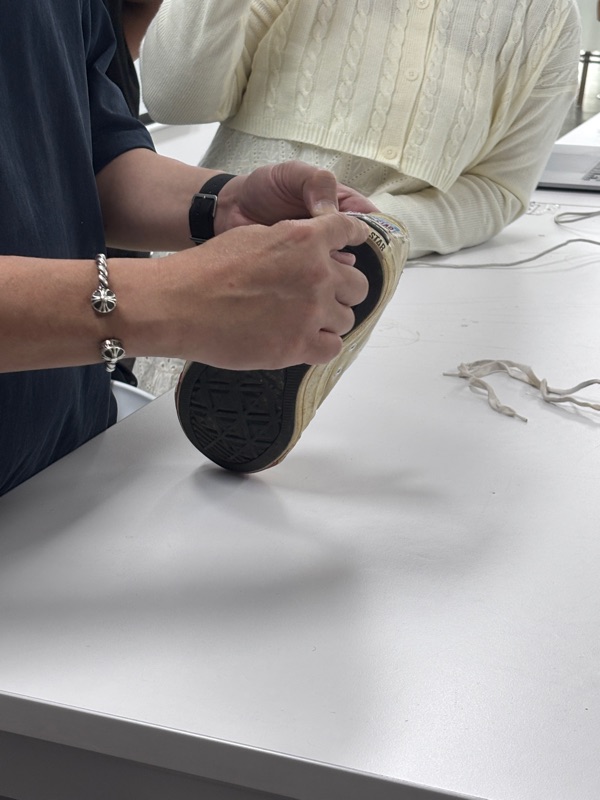
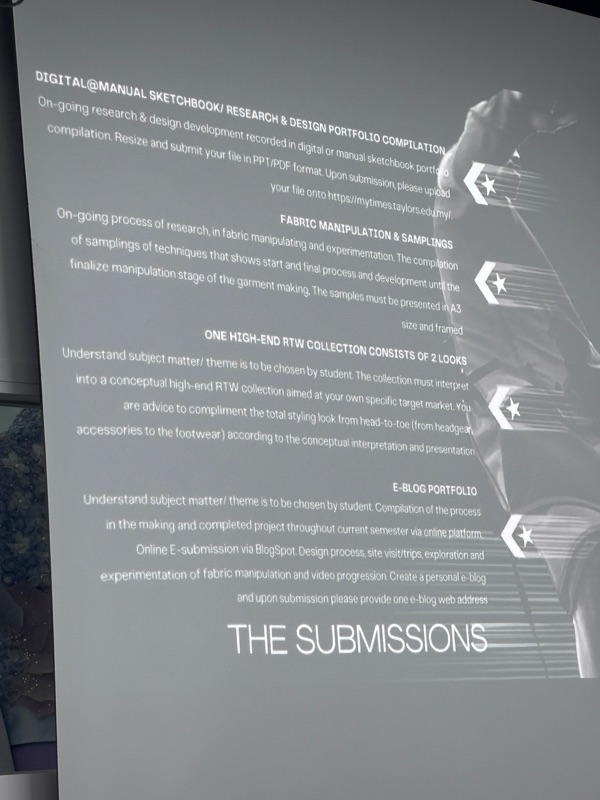
This week, Mr. Daniel briefed us on the MIB for Fashion Project 2, focusing on our collaboration with Converse. The main task is to design two full sets of pre sports street style outfits, each consisting of a jacket, an inner piece, and a bottom. Before designing, everyone must begin by draping with Converse shoes. We were asked to take several pairs of old Converse shoes, disinfect them, fully deconstruct them, and use the materials to drape on the mannequin. This hands-on exploration helps us understand structure, form, and how the Converse identity can be interpret into outfit. The only struggle was the condition of the shoes they were extremely dirty, and I had to wash them three times with dettol just to get rid of the dirt.
We also had to choose a subject matter to inspire our designs. I initially choose graffiti art, attracted to its raw energy and bold visual rhythm. This theme felt suitable for streetwear and it aligned naturally with Converse’s rebellious energy.
Week 2
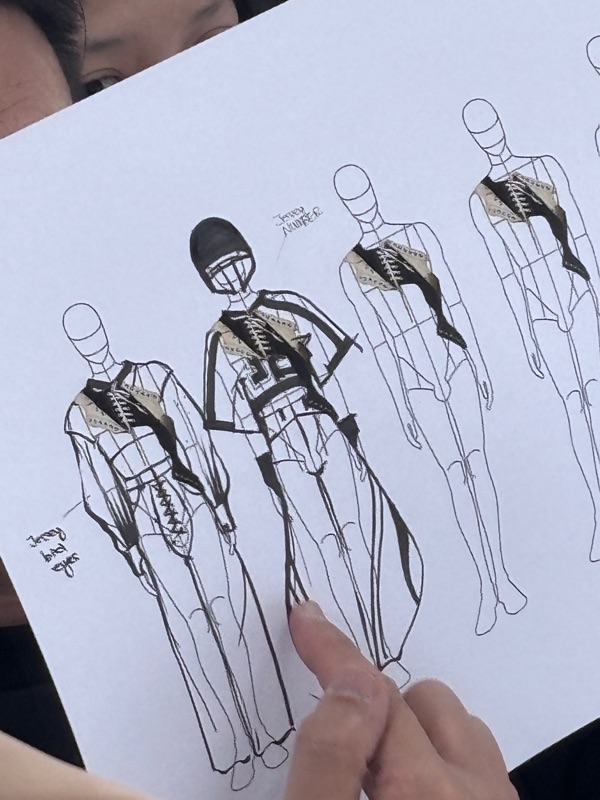
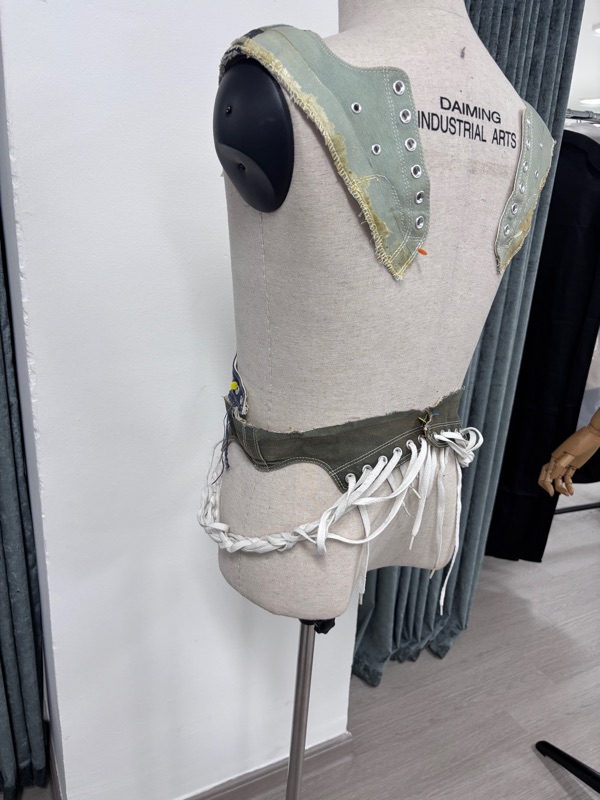
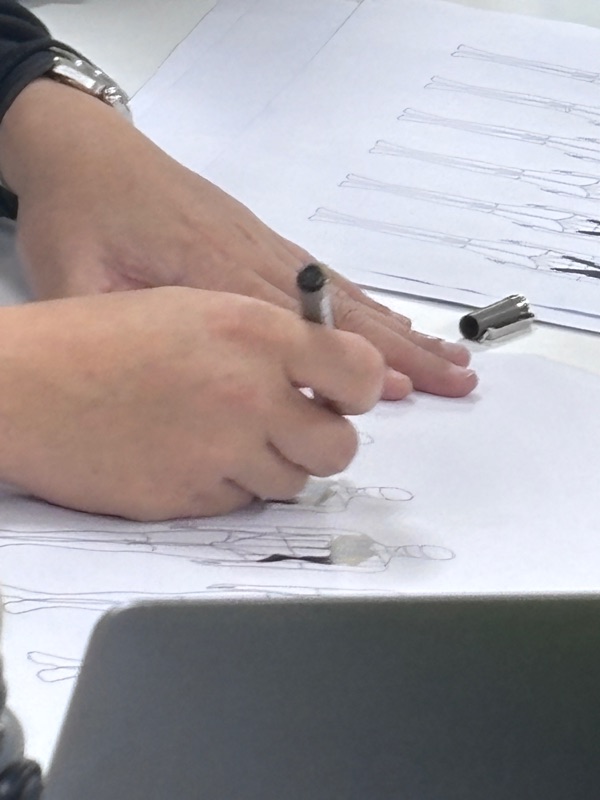
This week, Mr. Daniel demonstrated how to sketch our initial design ideas. Our task is to produce 60 initial design sketches, which is quite intense. I also started my draping using the deconstructed Converse shoes. Manipulating the shoe canvas, shoelaces helped me think more creatively about textures and shapes.
Week 3
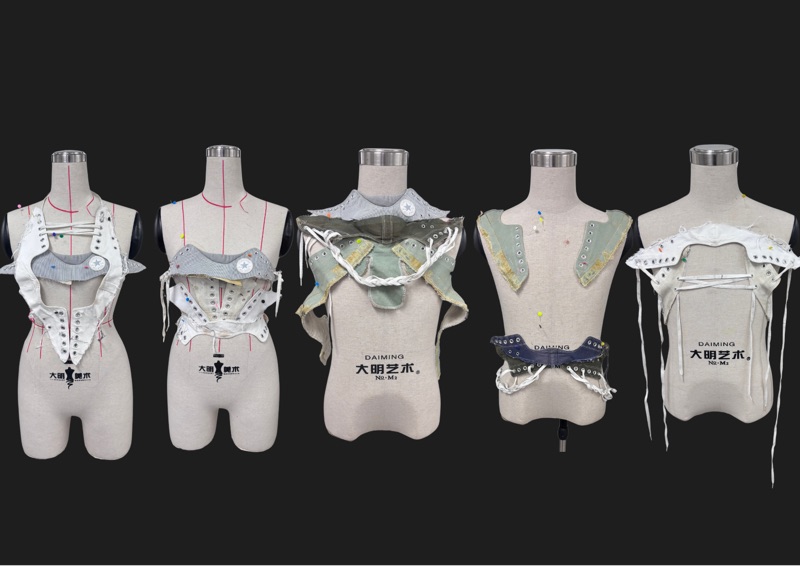
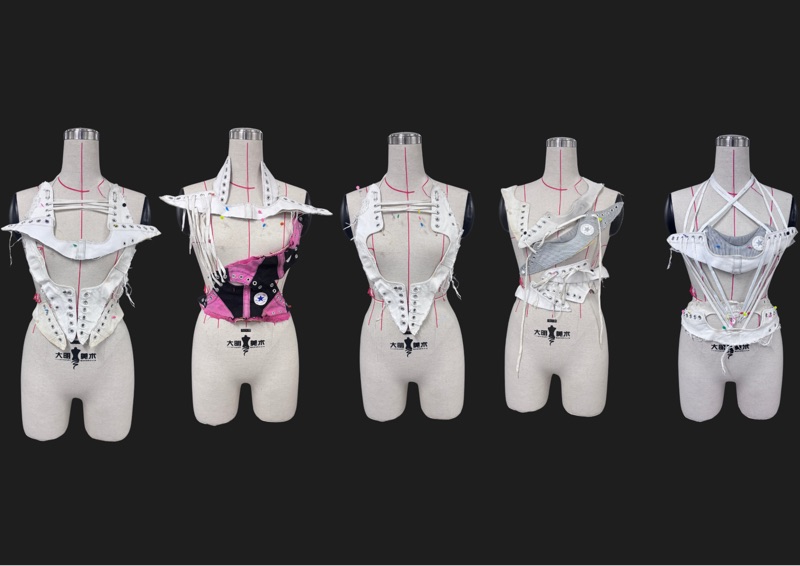
I completed all of my draping pieces this week. With the drapes done, I began compiling it for futher steps into the initial sketch ideas. Seeing the drapes together gave me a little clearer direction for silhouette development and how the Converse materials can influence the structure of my designs.
Week 4
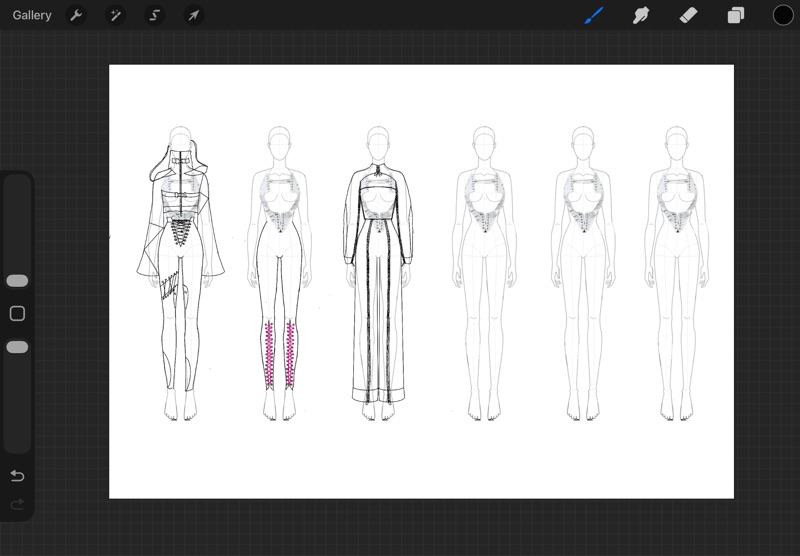
This week, I attempted to start sketching digitally, but I got stuck with interpreting my drapes into clear design ideas. Mr. Daniel guided me by helping interpret the drapes manually, which made the process much easier. Following his approach, I switched to manual sketching and managed to produce 10 initial sketches, which helped me regain clarity.
Week 5
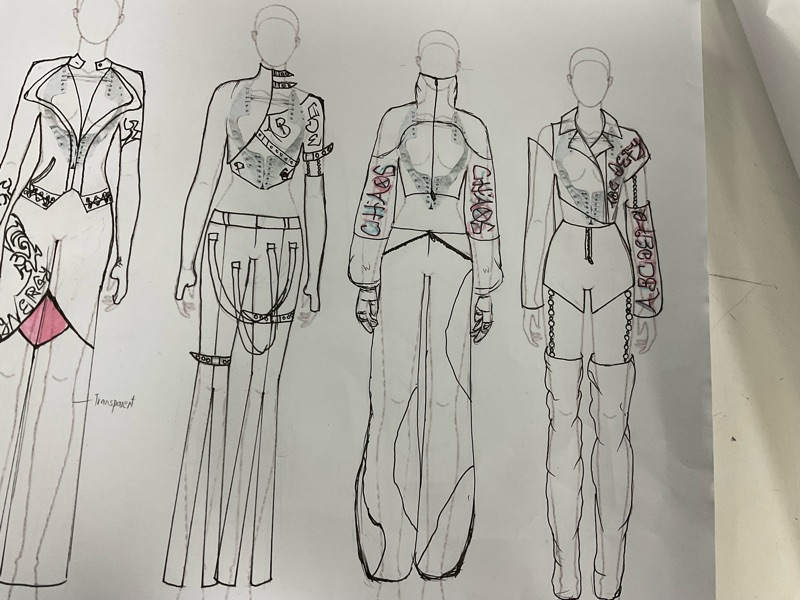
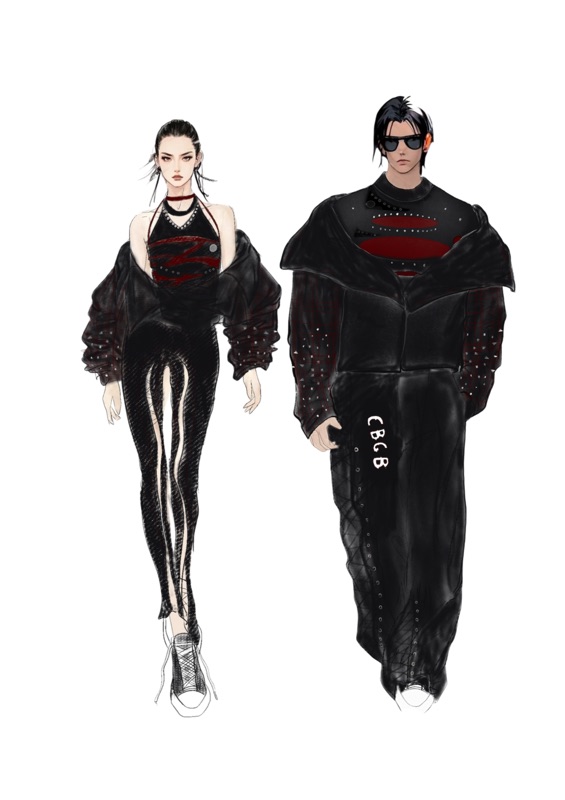
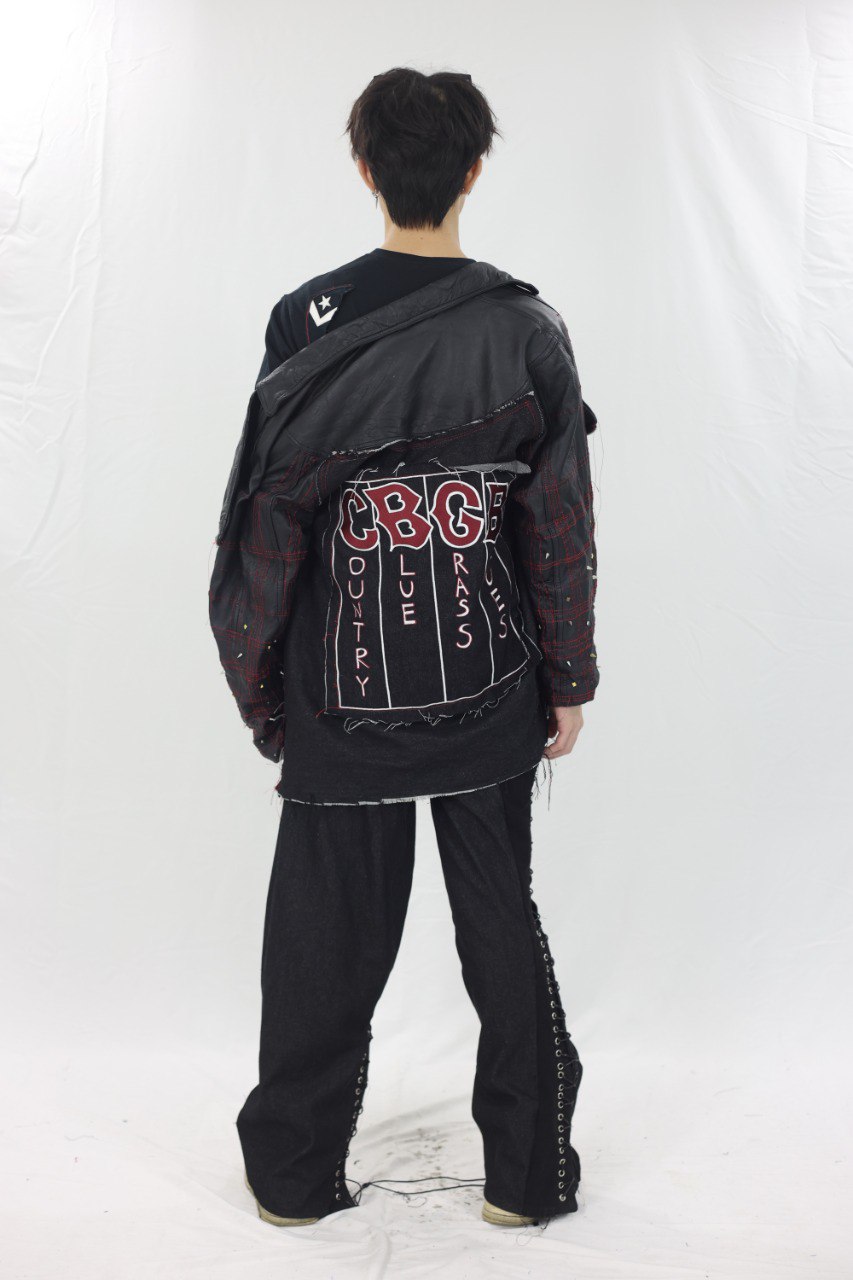
Mr. Daniel reviewed my subject matter research and pointed out that I had too many concepts mixed together underground clubs, 80s American pre-sport, and graffiti art. He advised me to narrow it down to one strong theme. After reconsidering, I chose underground club culture, specifically CBGB, because it has a strong connection to subculture, raw creativity, and rebellion elements that match Converse’s energy. I now need to develop it deeper and research on how it influences my design direction.
Week 6
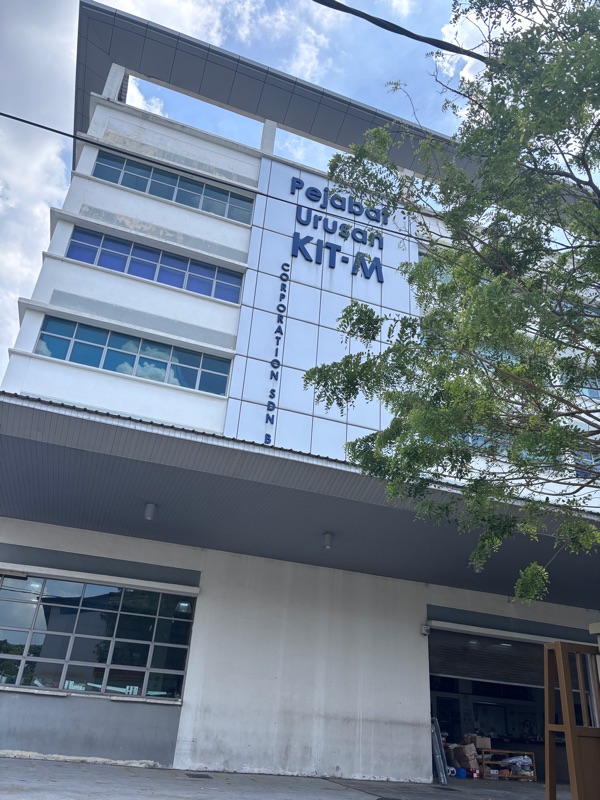
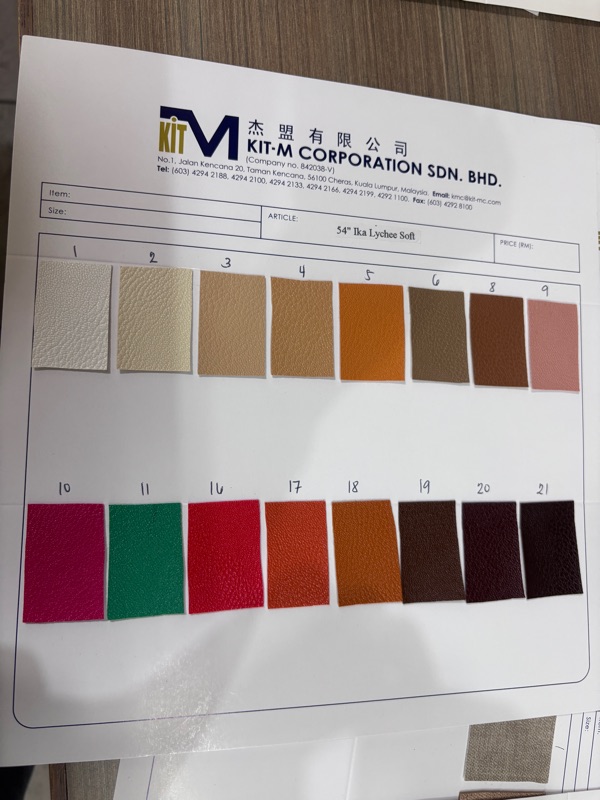
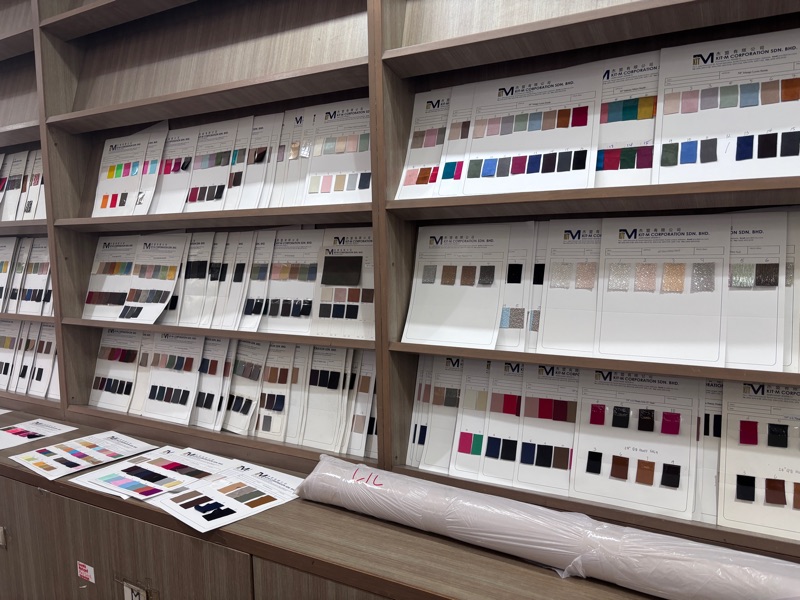
This week, I went fabric hunting to support the material development for my designs. I searched for leather and plaid fabrics, which relate to the underground punk aesthetic found in CBGB’s history. Exploring fabric options helped me understand how these textures might work with the silhouettes I’m developing.
Week 7
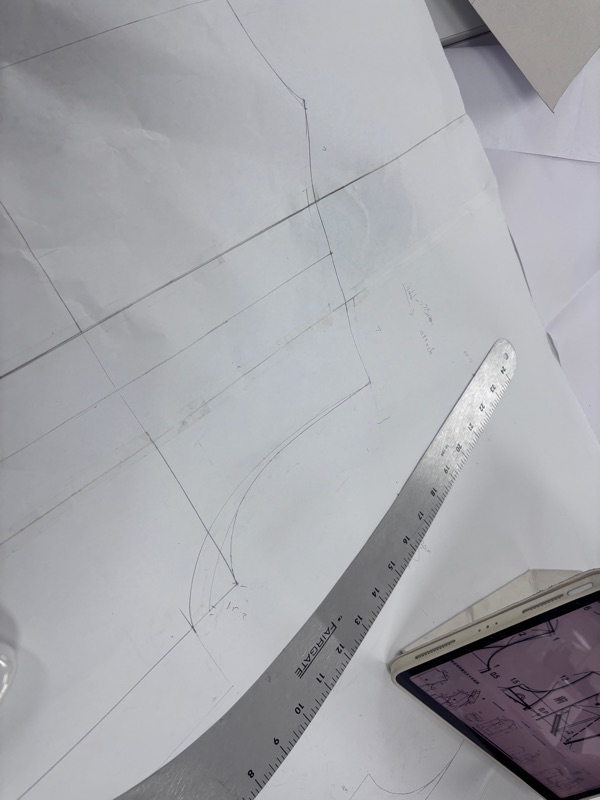
This week, I compiled all my research, draping outcomes, and design developments into a full proposal. This helped me clearly visualise the direction of my collection and organise my ideas more professionally. I also began working on the pattern for Look 1.
Week 8
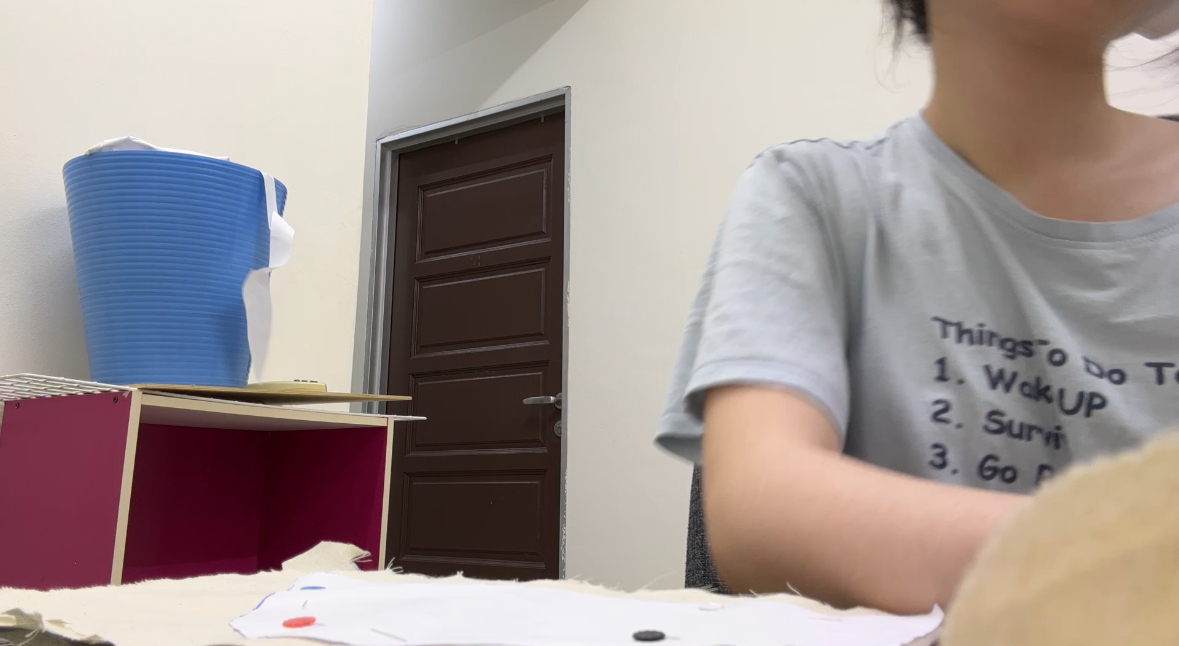
I continued developing Look 1 by starting the pattern cutting process. This stage required accuracy and patience, as the patterns needed to align with the proportions and the structure. Through this process, I became more aware of how design decisions on paper directly affect garment construction.
Week 9
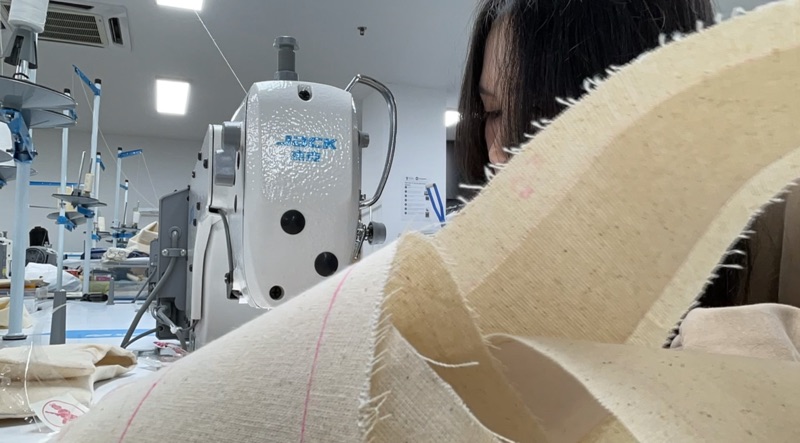
This week focused on cutting and sewing for the test fit of Look 1. Assembling the test garment allowed me to evaluate fit, balance, and movement. Some adjustments were needed, but the test fit gave me confidence that the design direction was working.
Week 10
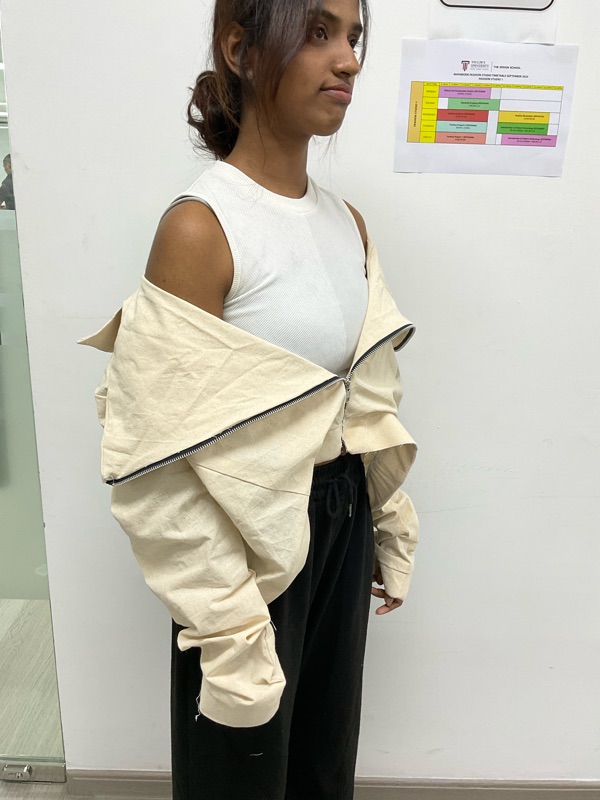
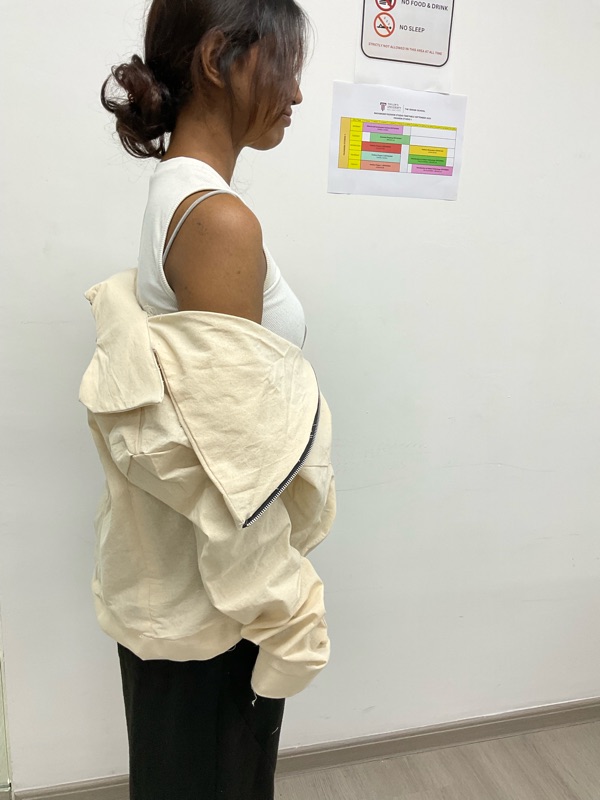
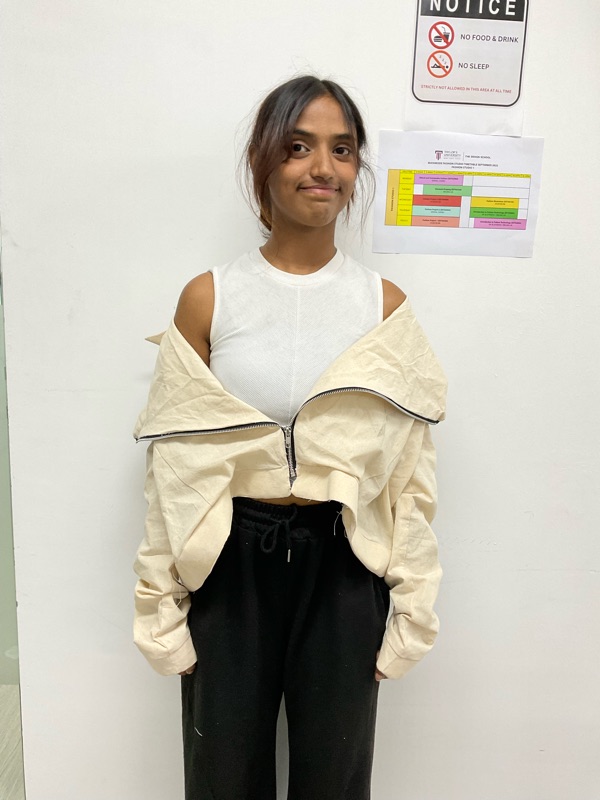
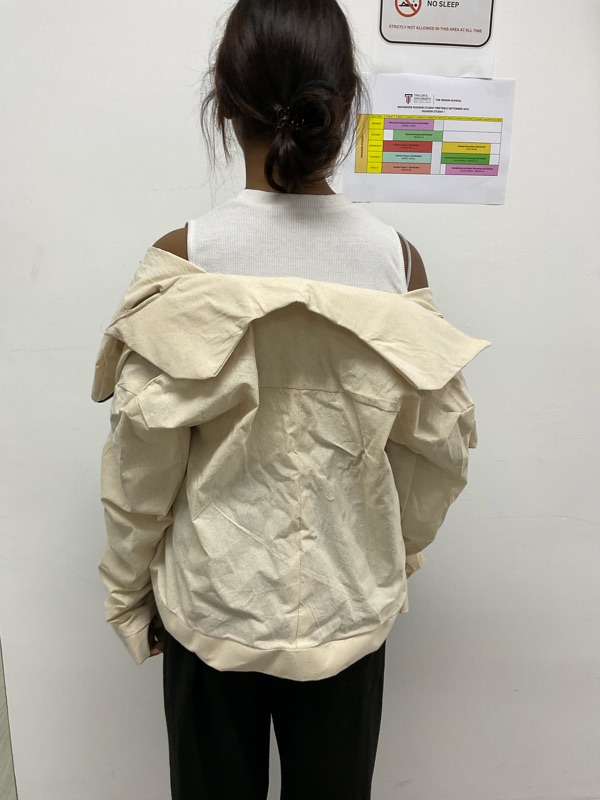
I completed the Look 1 test fit this week. Seeing the garment fully assembled helped me identify areas that needed refinement, especially in terms of structure and proportions. The feedback received at this stage was valuable for improving the final outcome.
Week 11
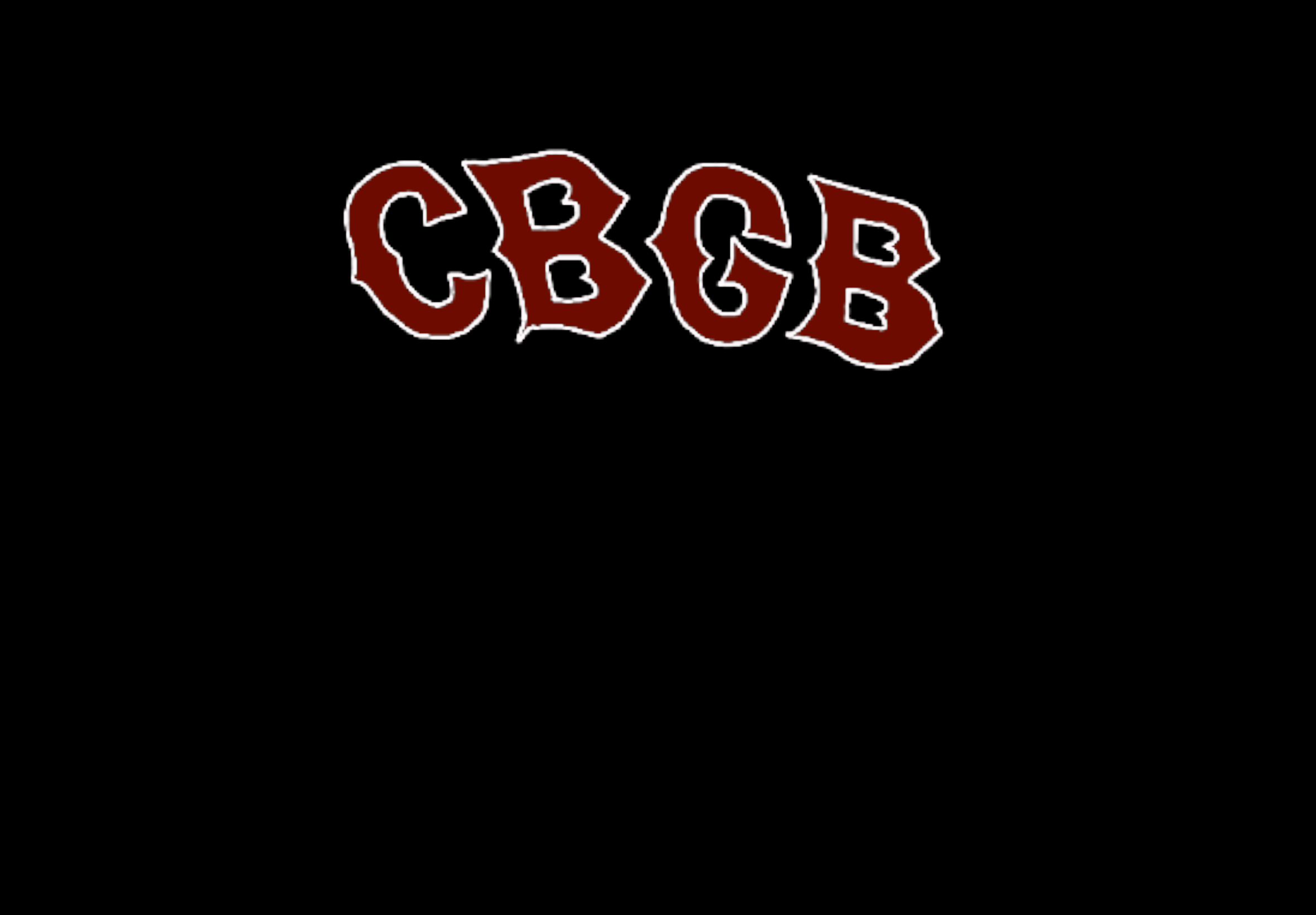
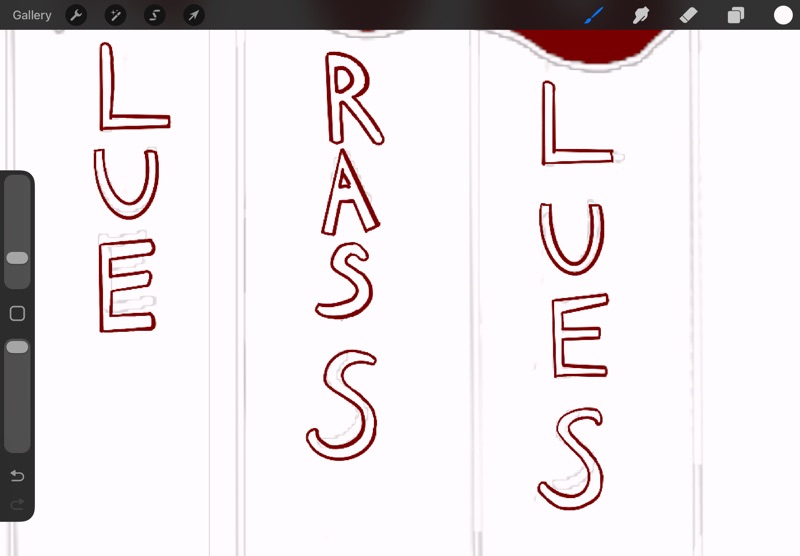
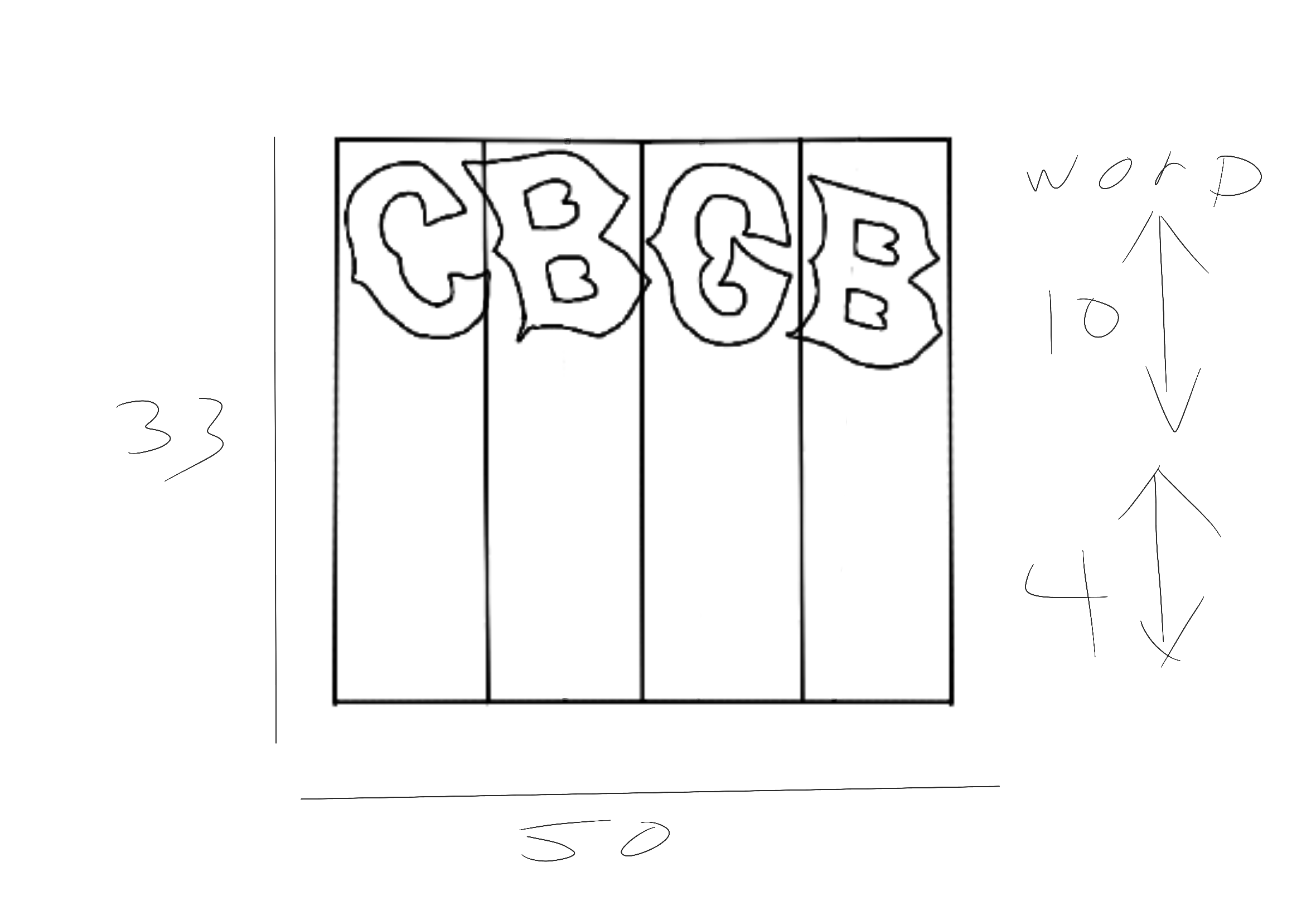
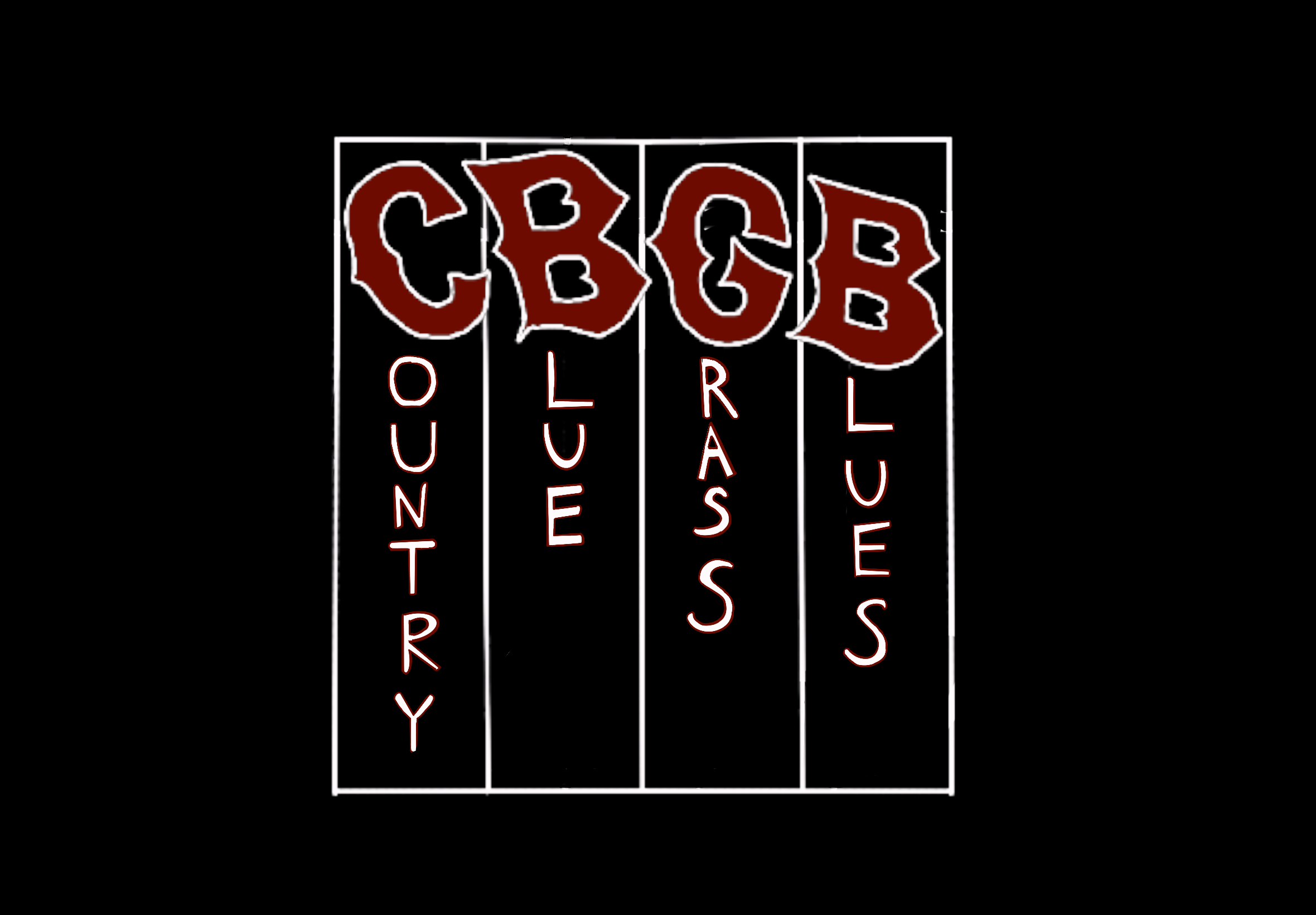
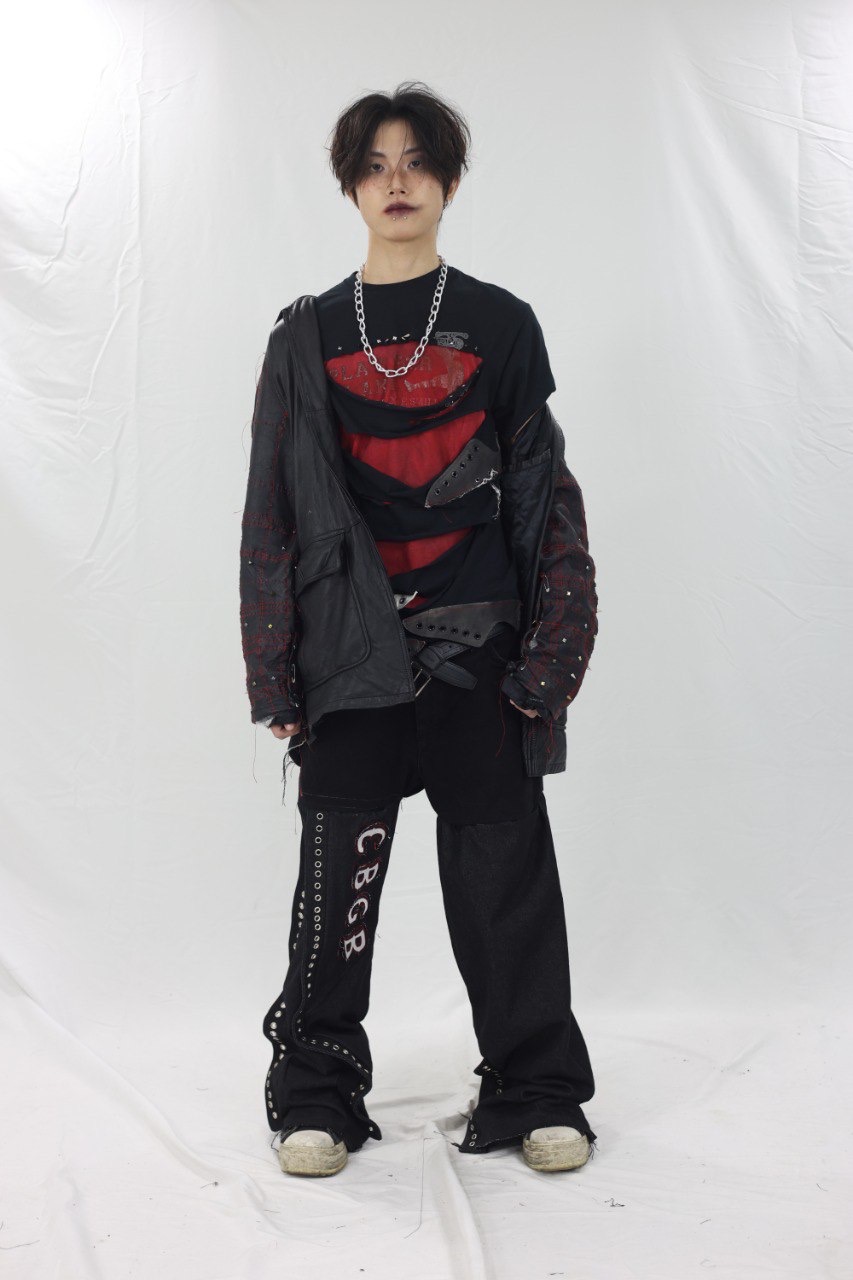
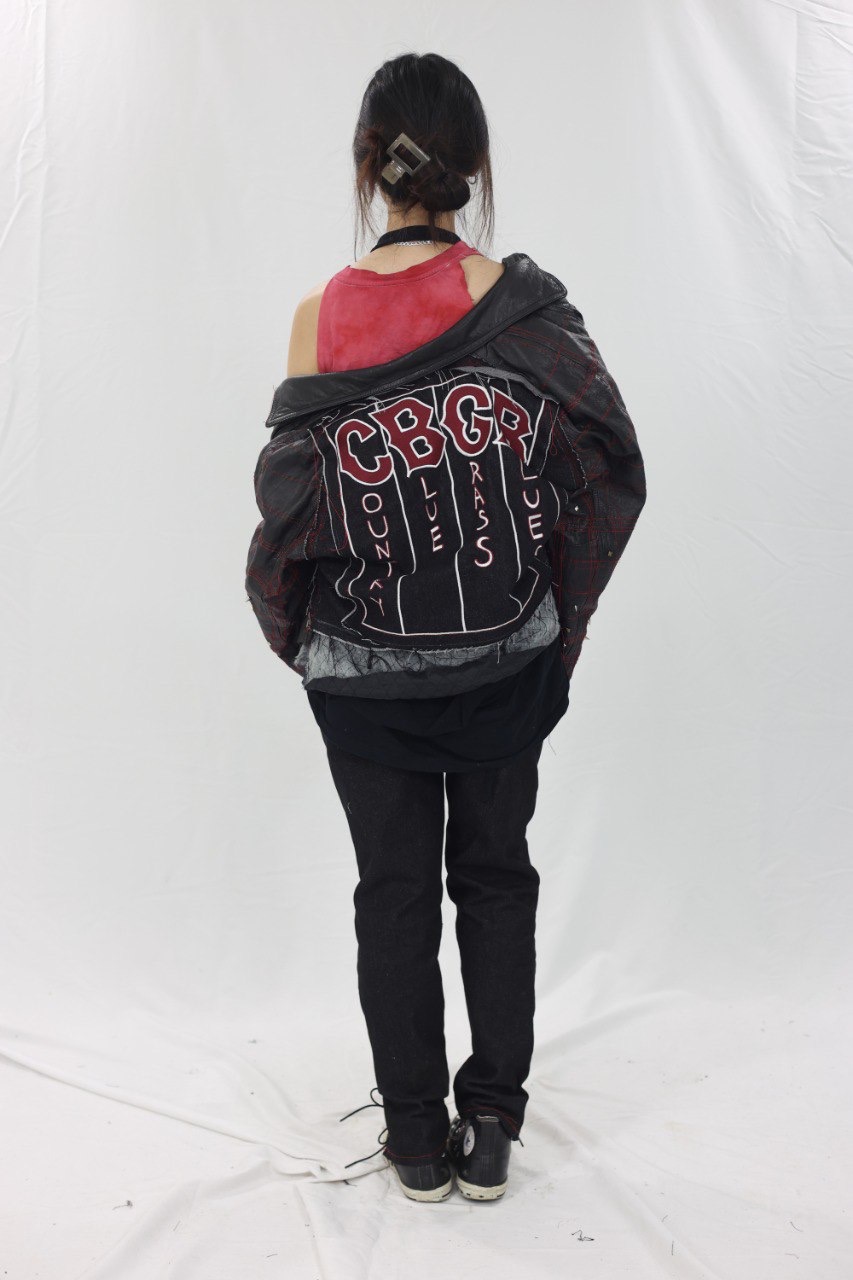
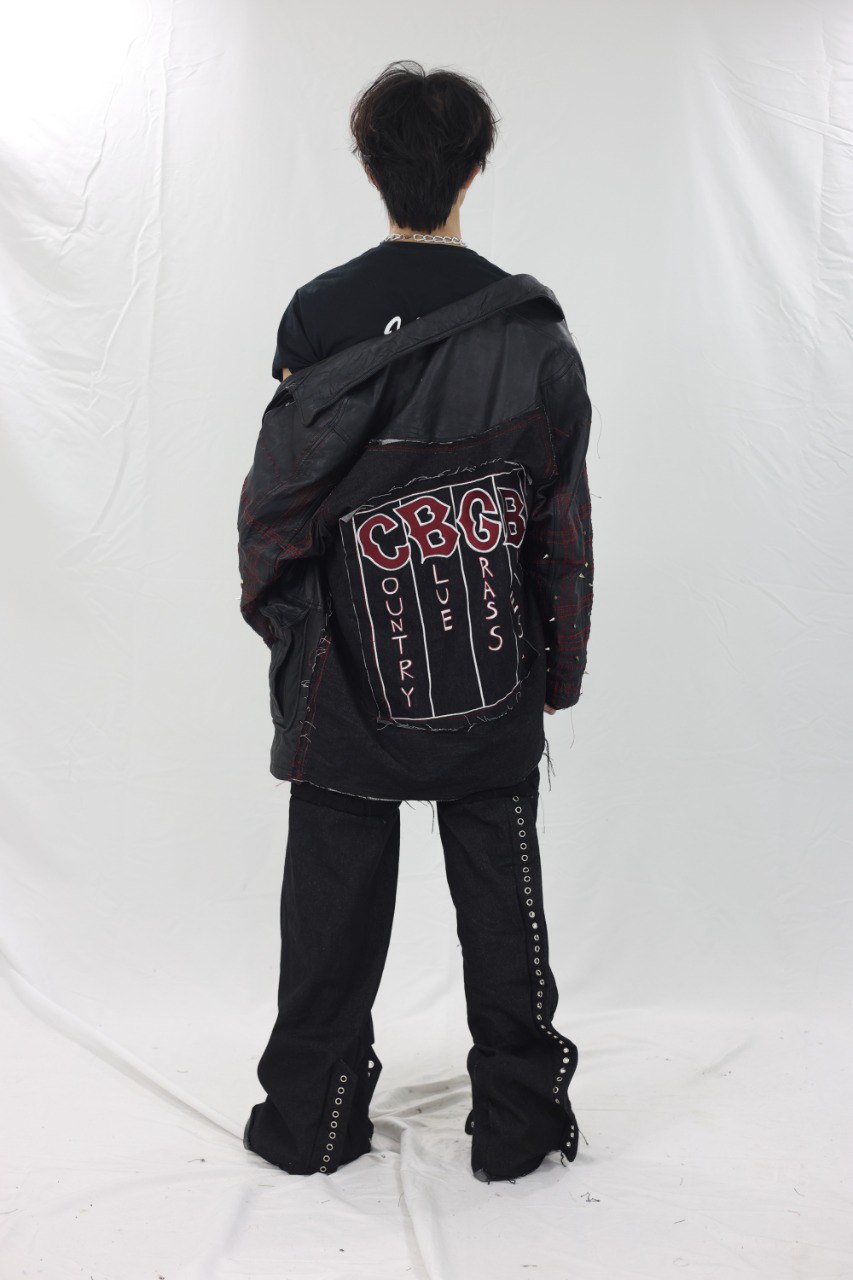
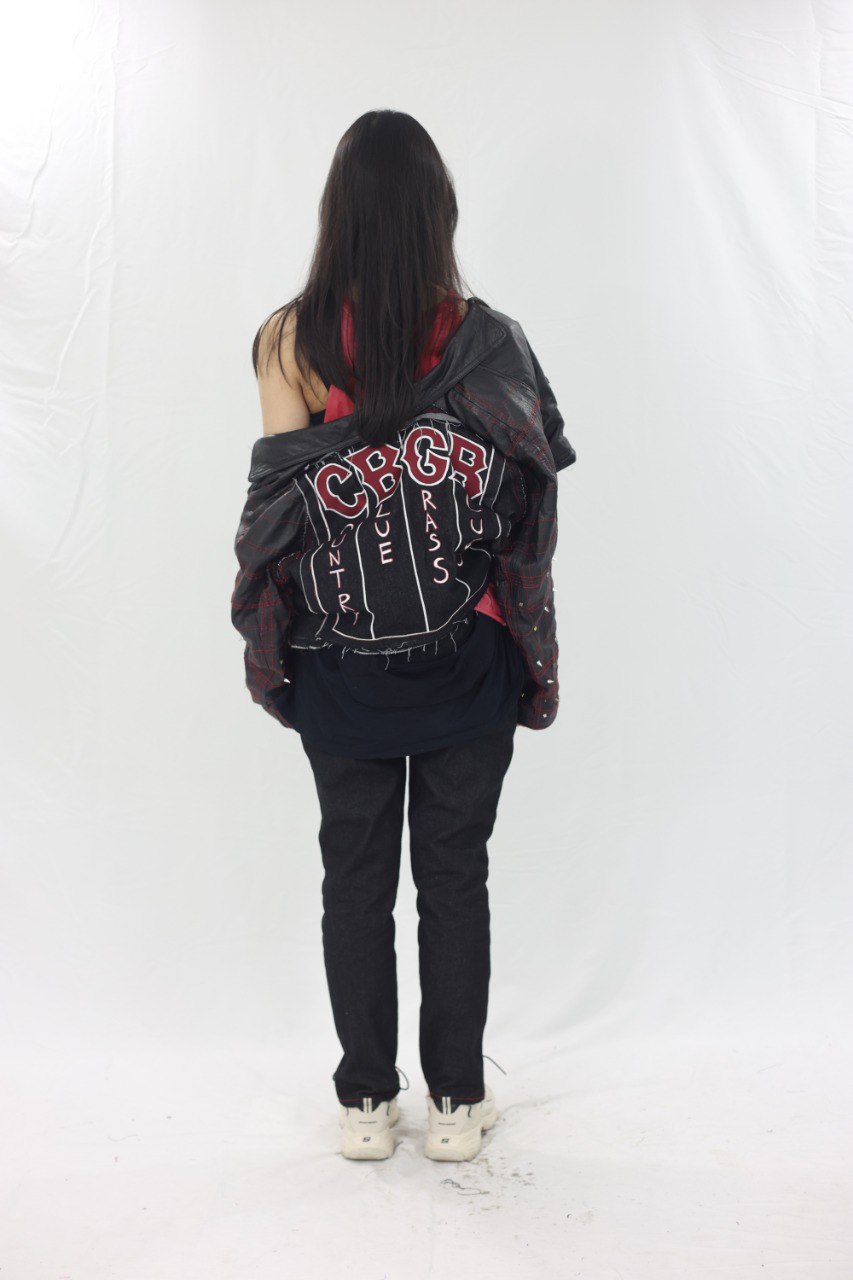
This week, I started developing the embroidery design and sent it to Dr Stitch for embroidery printing. The embroidery focuses on back manipulation and pants manipulation, adding texture to the garment.
Week 12
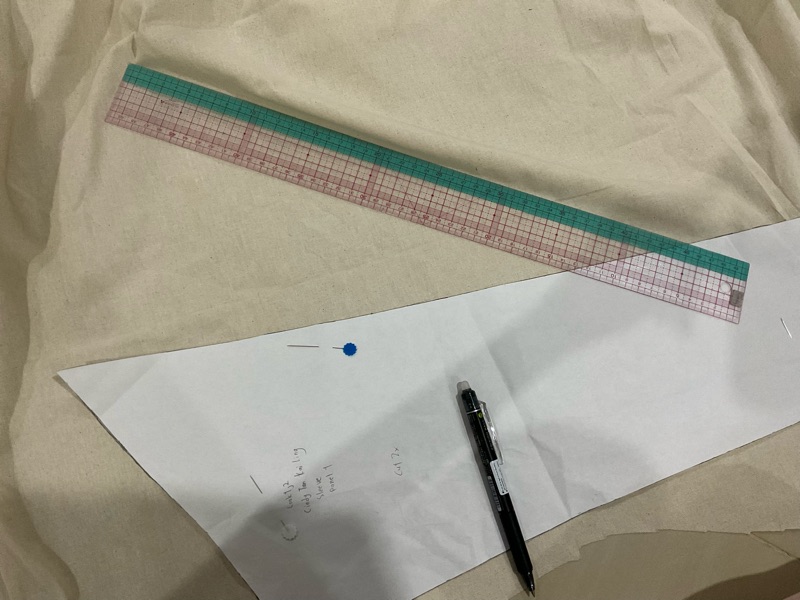
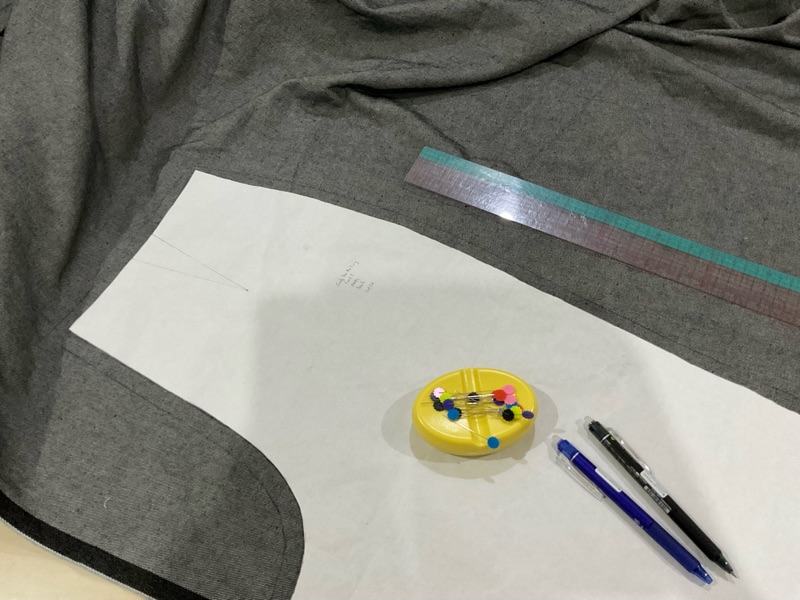
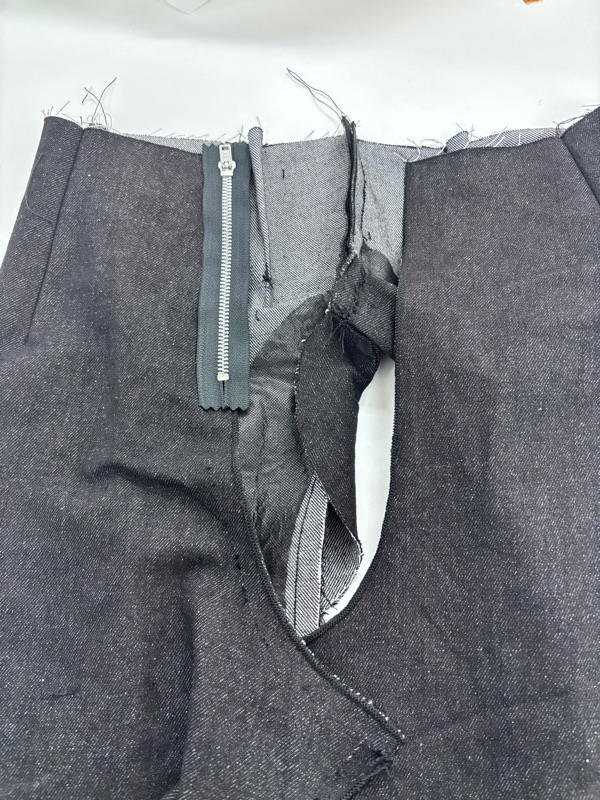
I started to cut and sew the actual Look 1 garment, applying the adjustments learned from the test fit. At the same time, I started cutting the test fit for Look 2. Mr. Daniel also assisted me with the final illustration, helping me refine my design.
Week 13
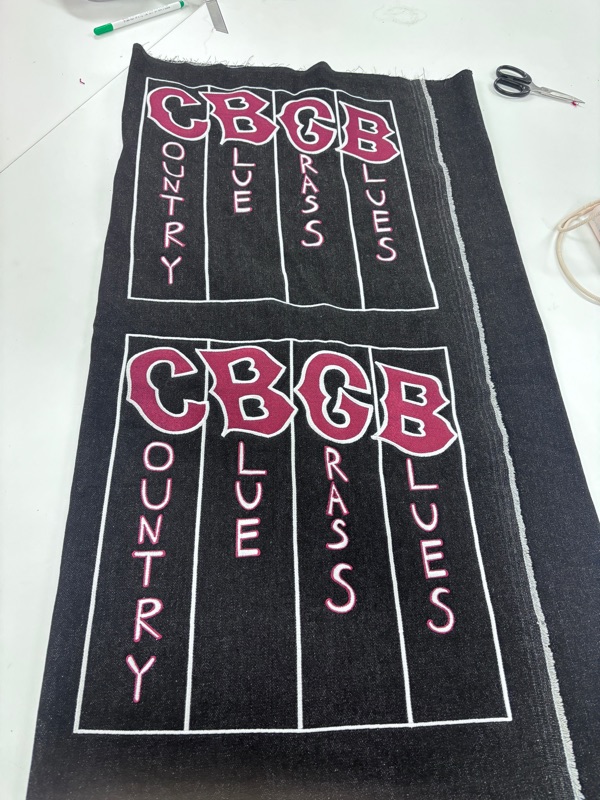
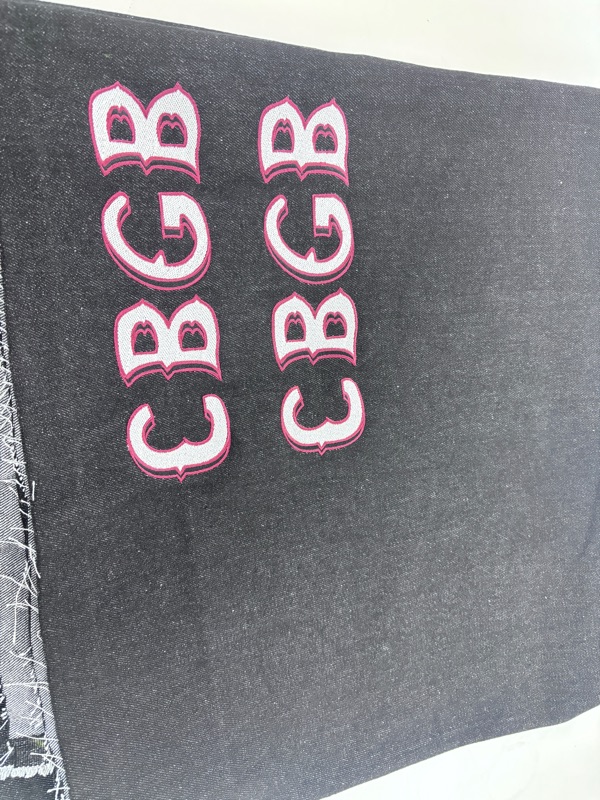
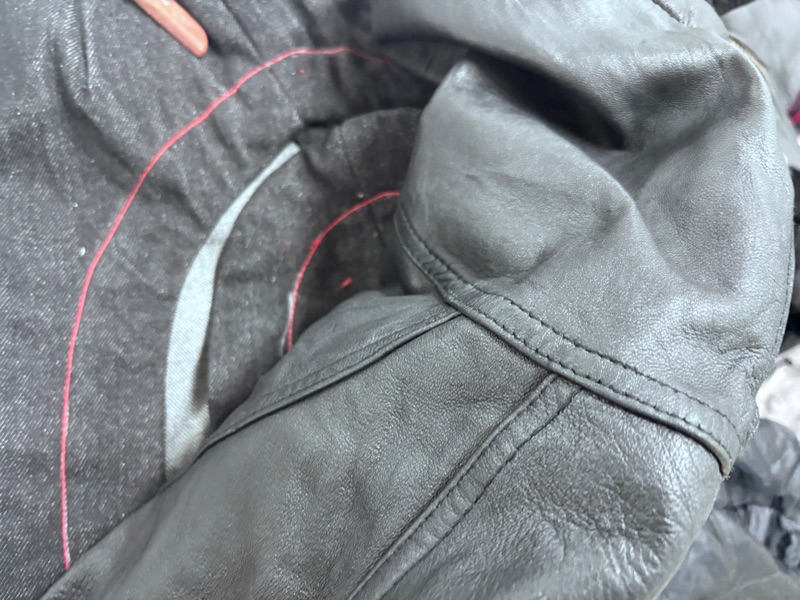
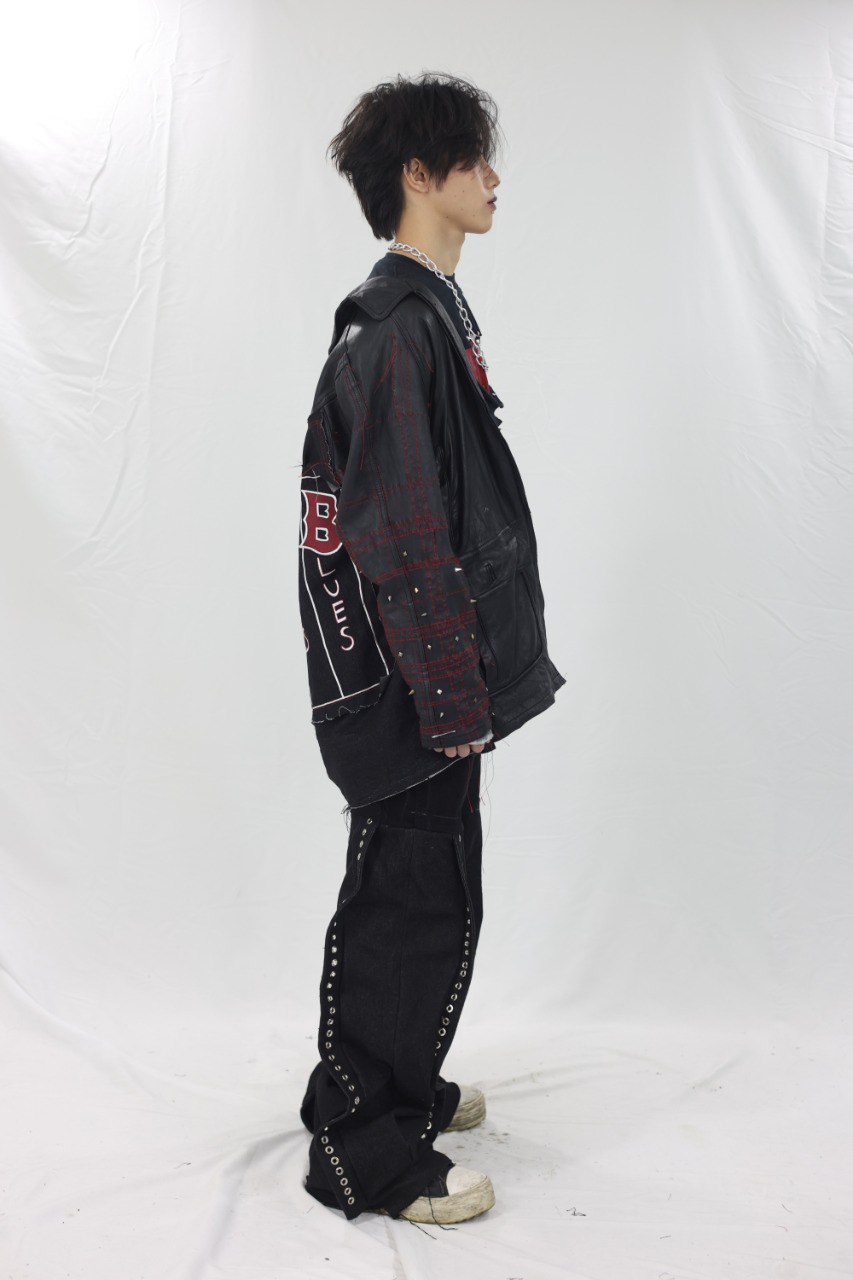
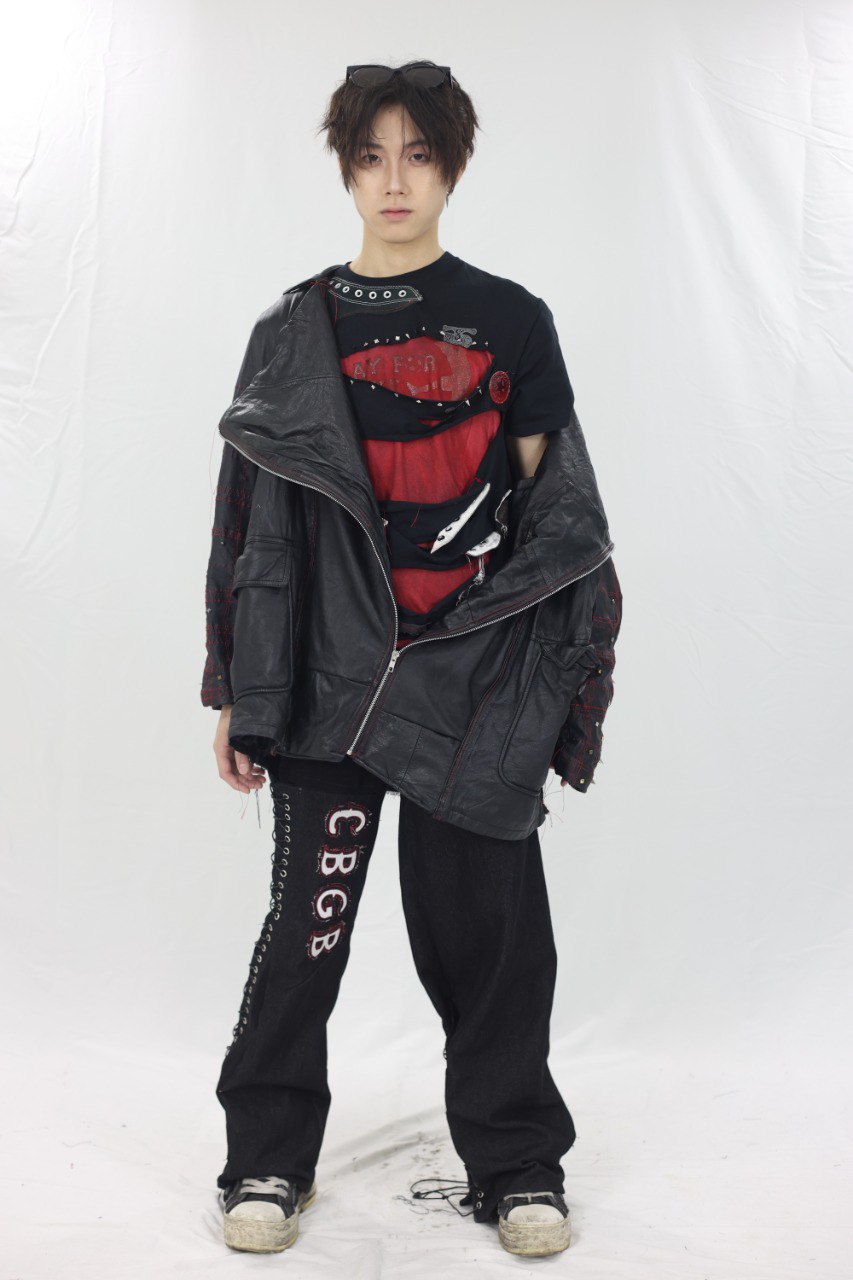
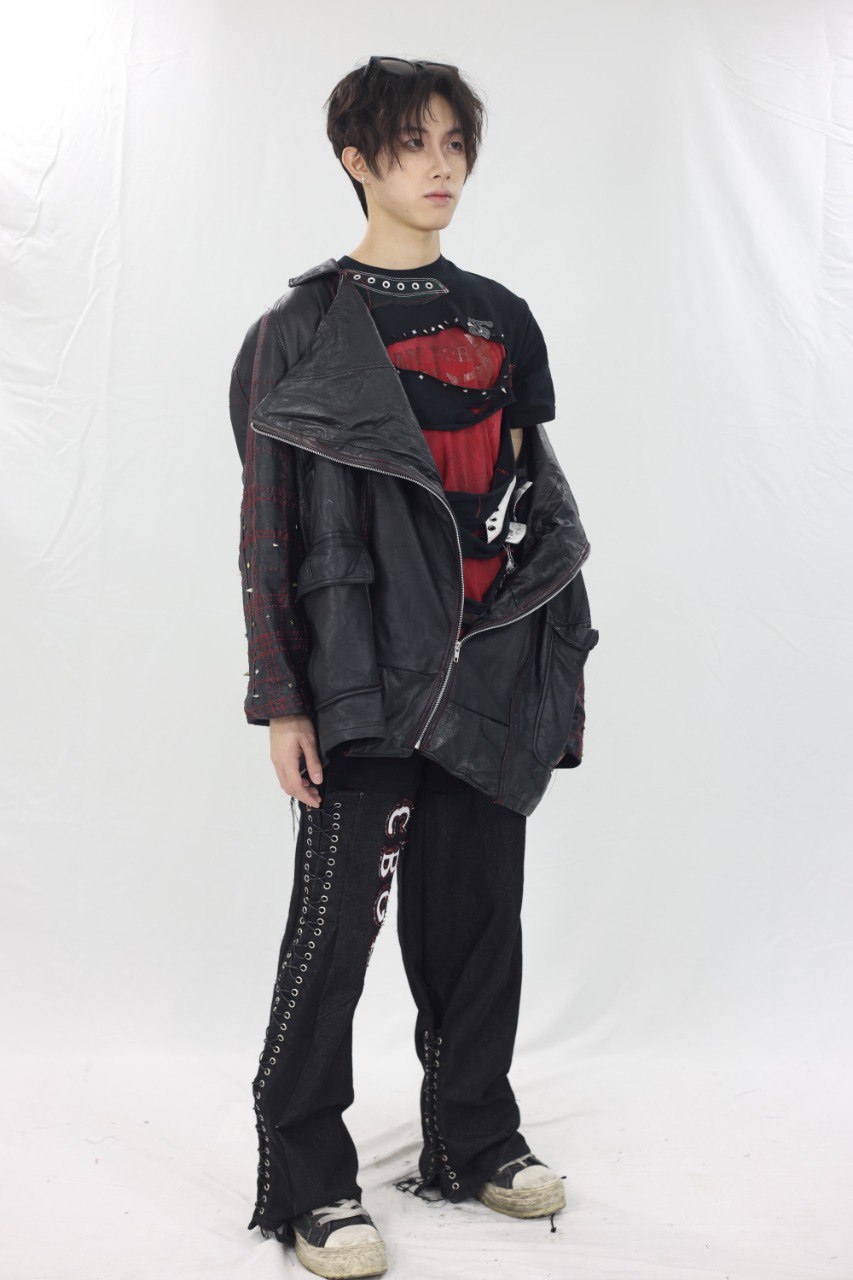
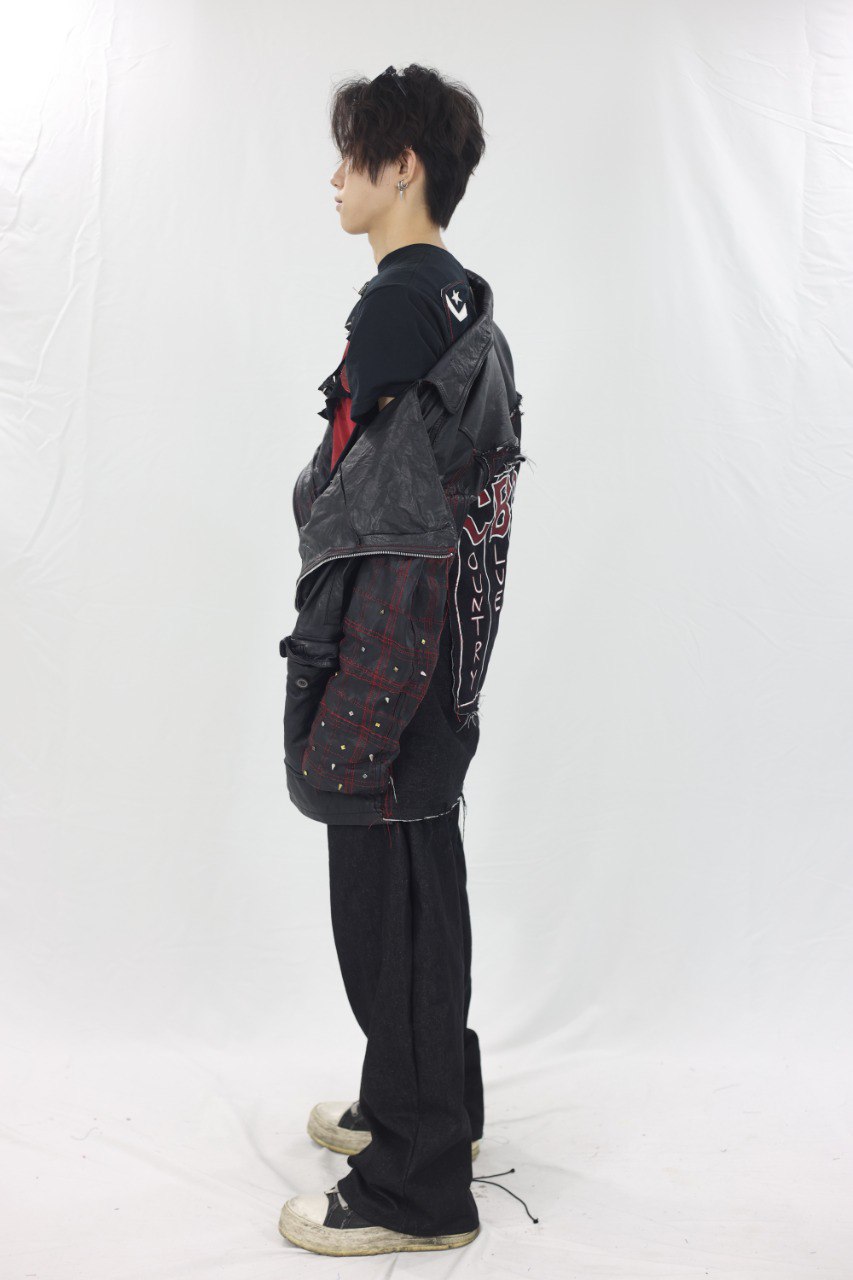
The embroidery pieces were completed this week, allowing me to move forward with surface manipulation. I also started deconstructing 2 leather jacket to reuse its materials within the design. Additionally, I finished sewing the pants for Look 1, and leaving only the manipulation to be completed.
Week 14
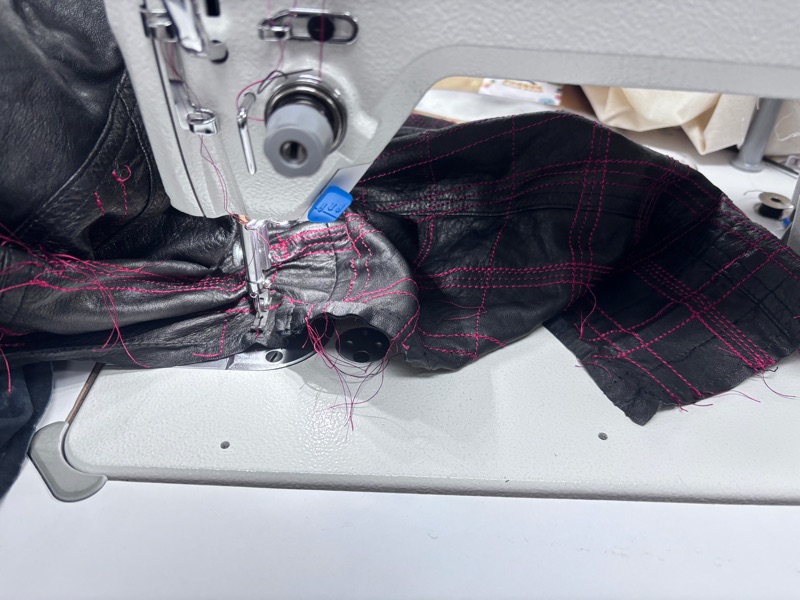
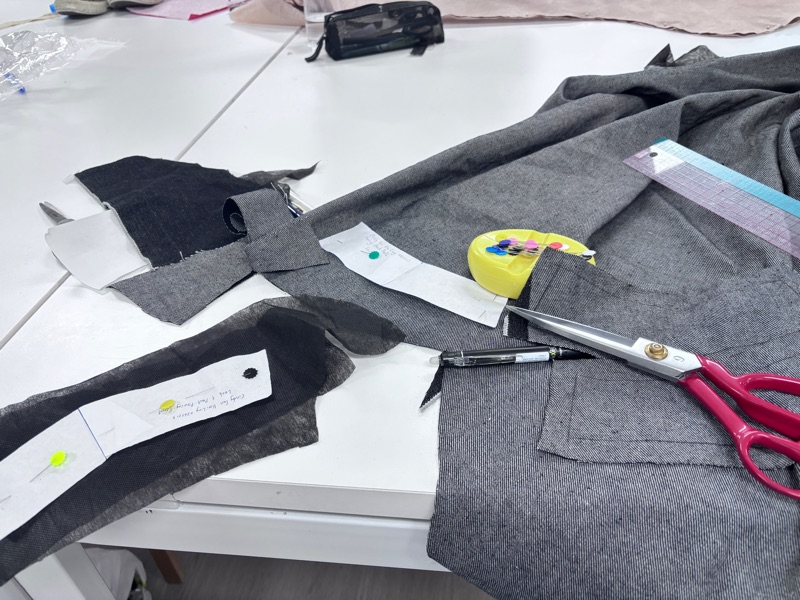
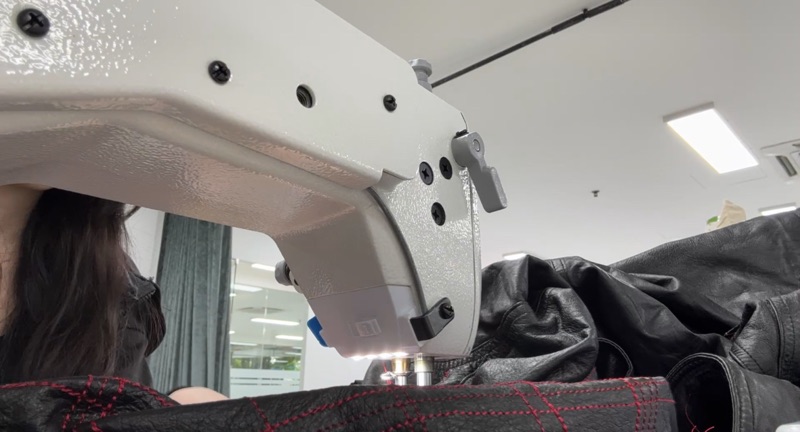
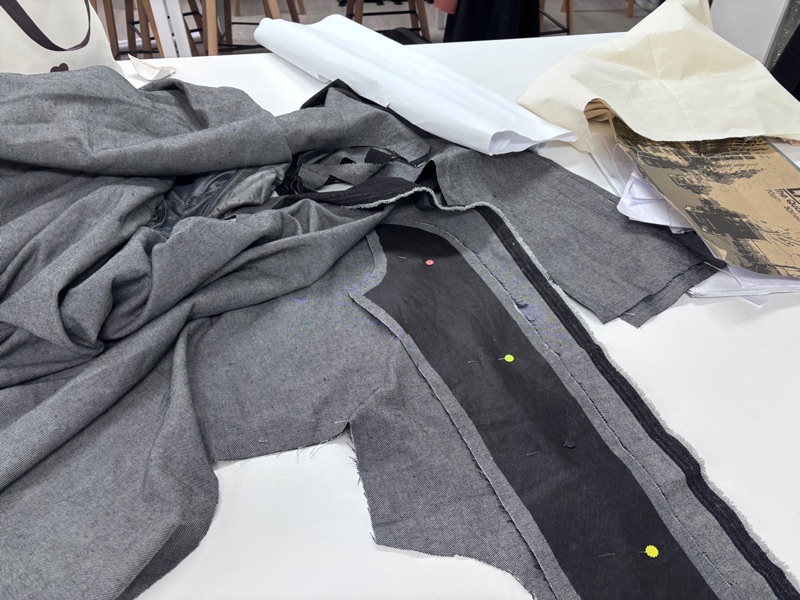
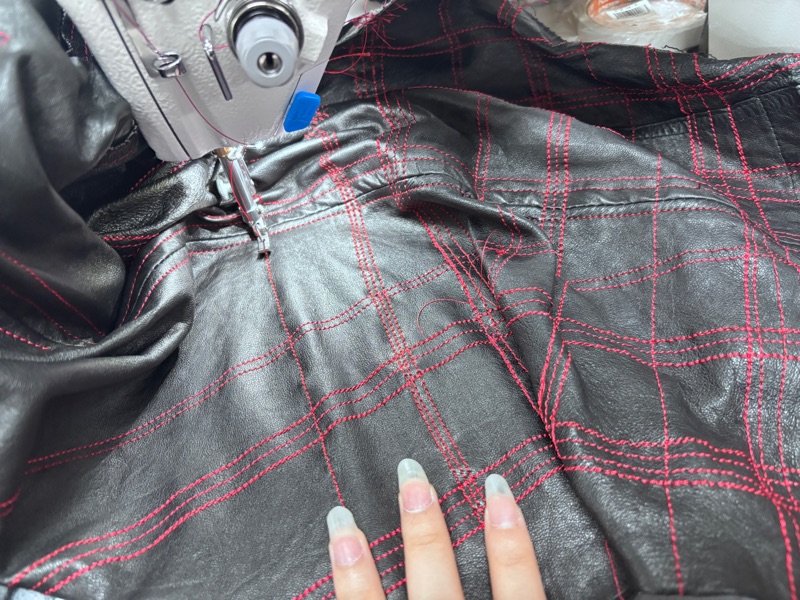
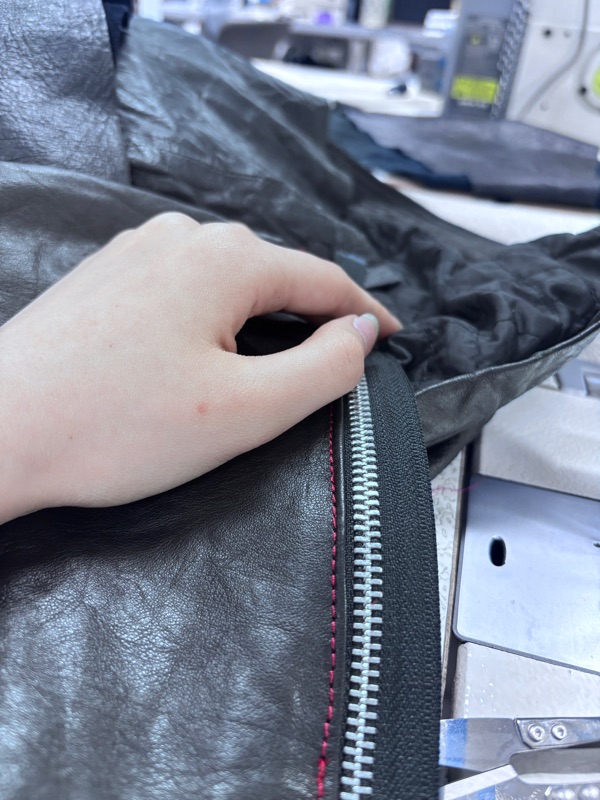
This week, I focused on cutting the actual pants for Look 2 and continued working on texture manipulation for both Look 1 and Look 2. The garments slowly started to come together, and the layered details strengthened the overall visual impact. I also continued sewing Look 1.
Week 15
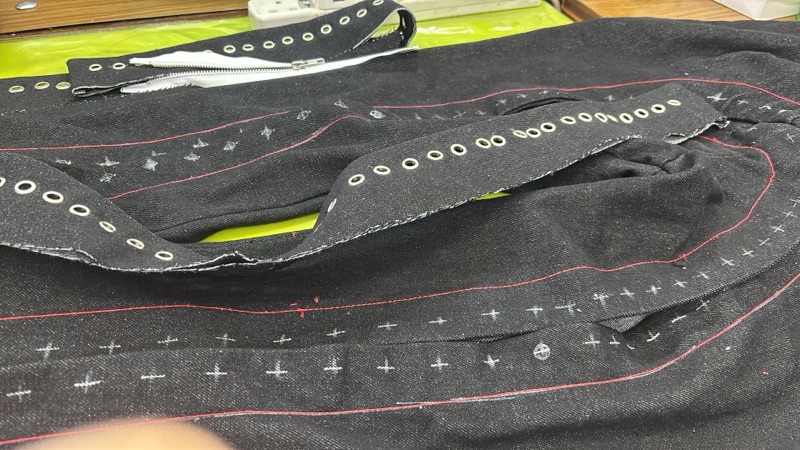
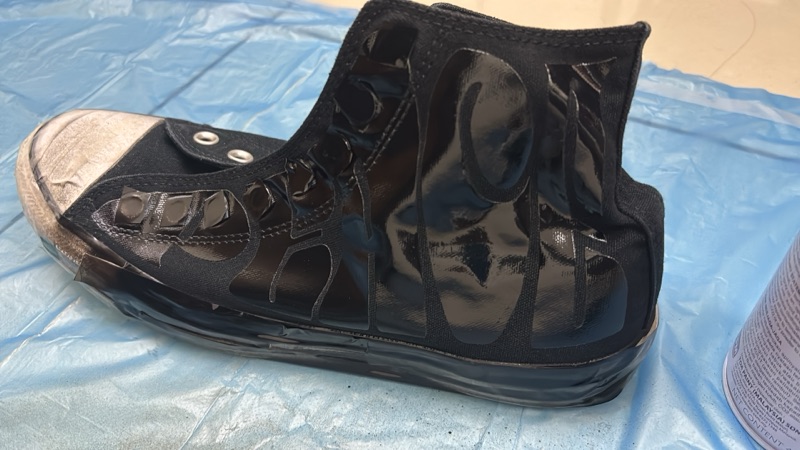
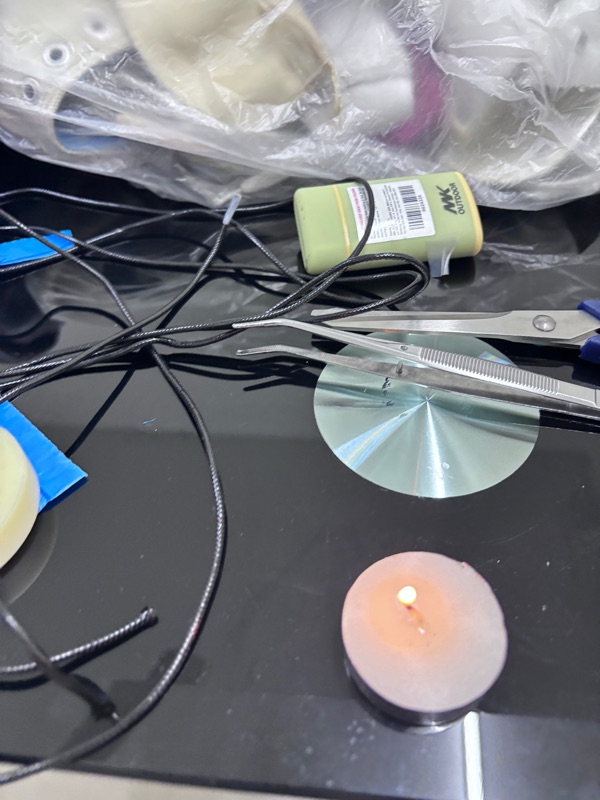
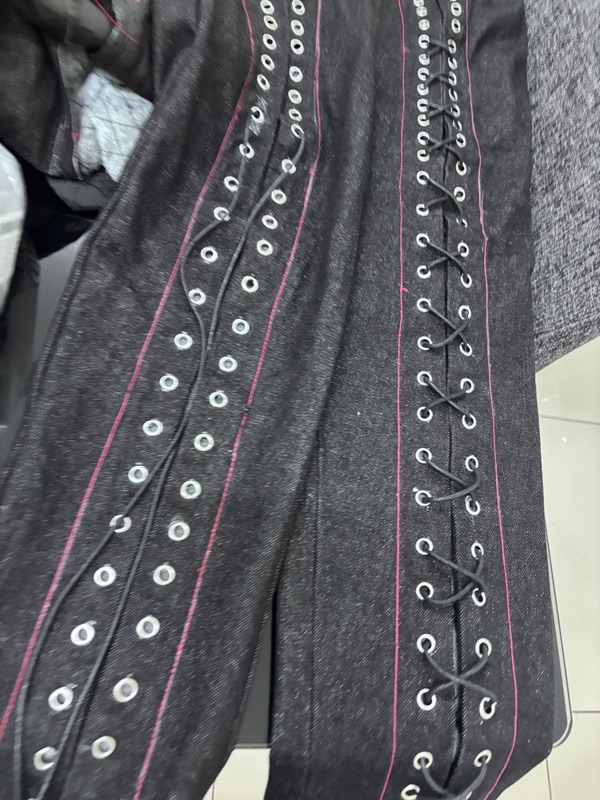
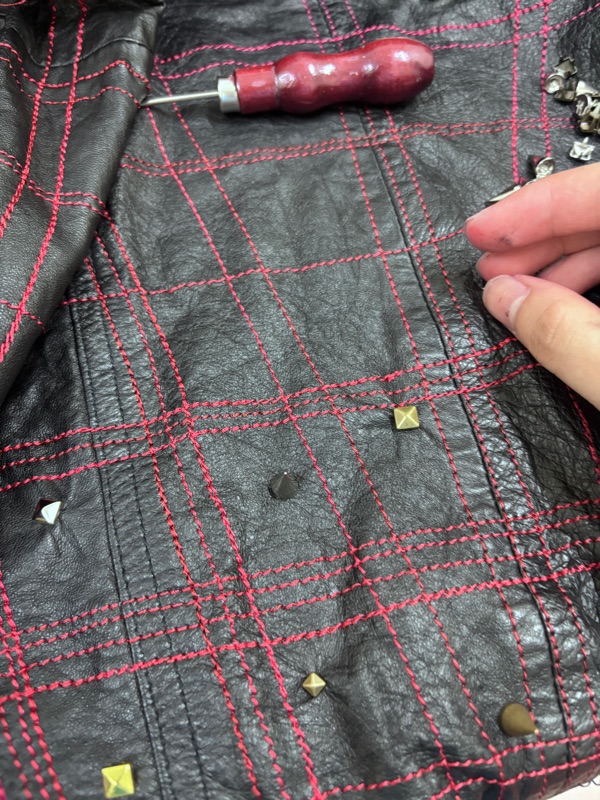
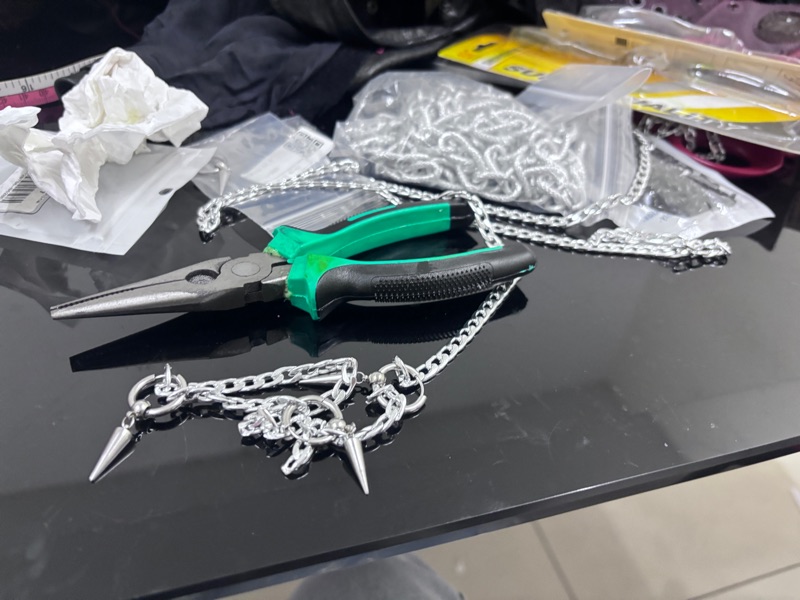
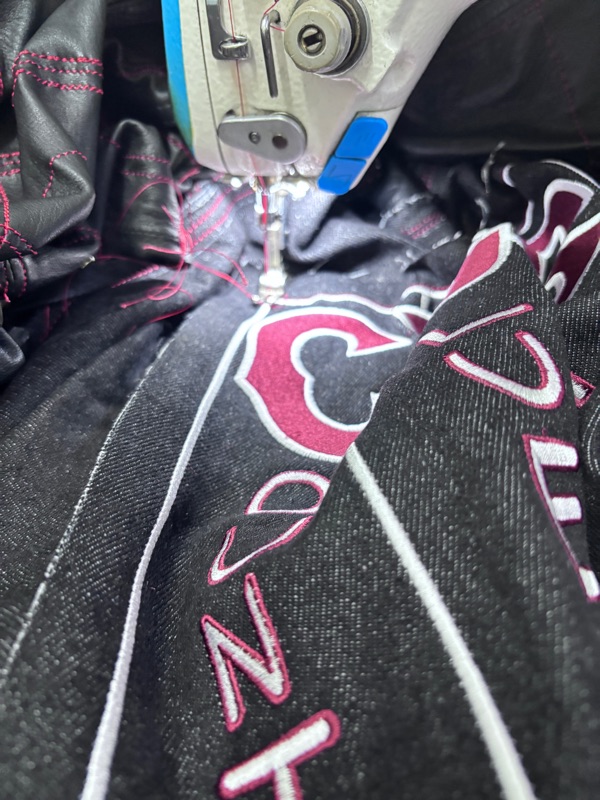
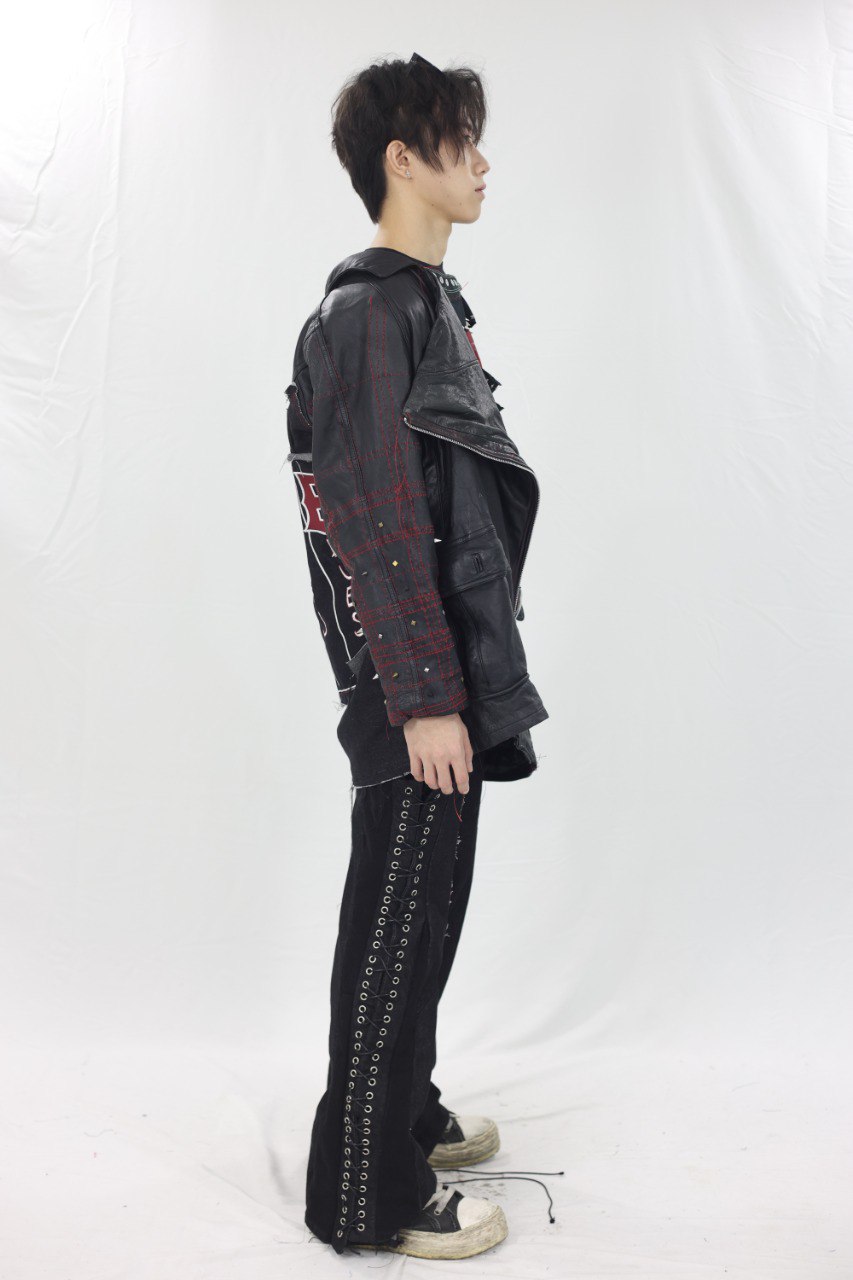
In the final week, I concentrated on detailed finishing. I completed the pants manipulation for Look 1 using eyelets and leather cords, and worked on the back manipulation for both Look 1 and Look 2. I also created necklaces as accessories, added studs manipulation, and spray painted the shoes for the final presentation. This week felt intense but rewarding, as all elements came together to complete the collection.
Reflection
Fashion Project 2 challenged me both creatively and technically. Working with deconstructed Converse shoes pushed me to design through draping and experimentation instead of relying only on sketches. At the start, I struggled with having too many inspirations, which made my concept feel unclear. After receiving feedback, narrowing my focus to CBGB underground club culture helped me strengthen my design direction and create more intentional outcomes.
Throughout the project, I improved my skills in pattern cutting, test fitting, and garment construction. The process of refining Look 1 from test fit to final garment taught me patience, problem-solving, and attention to detail, especially when working with leather, embroidery, and surface manipulation. Overall, this project helped me become more confident in translating research into design and trusting the creative process, even when things did not go smoothly.
Final Outcome
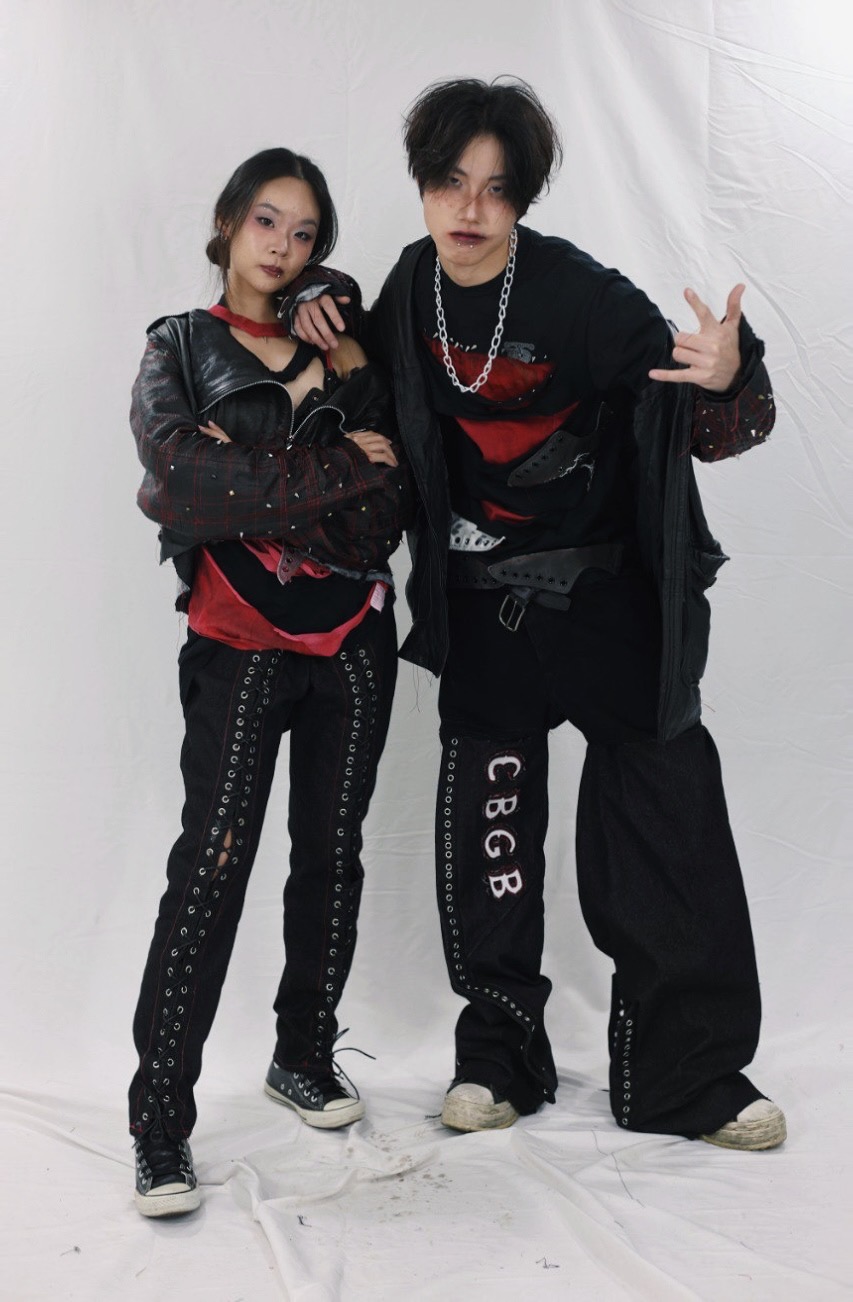
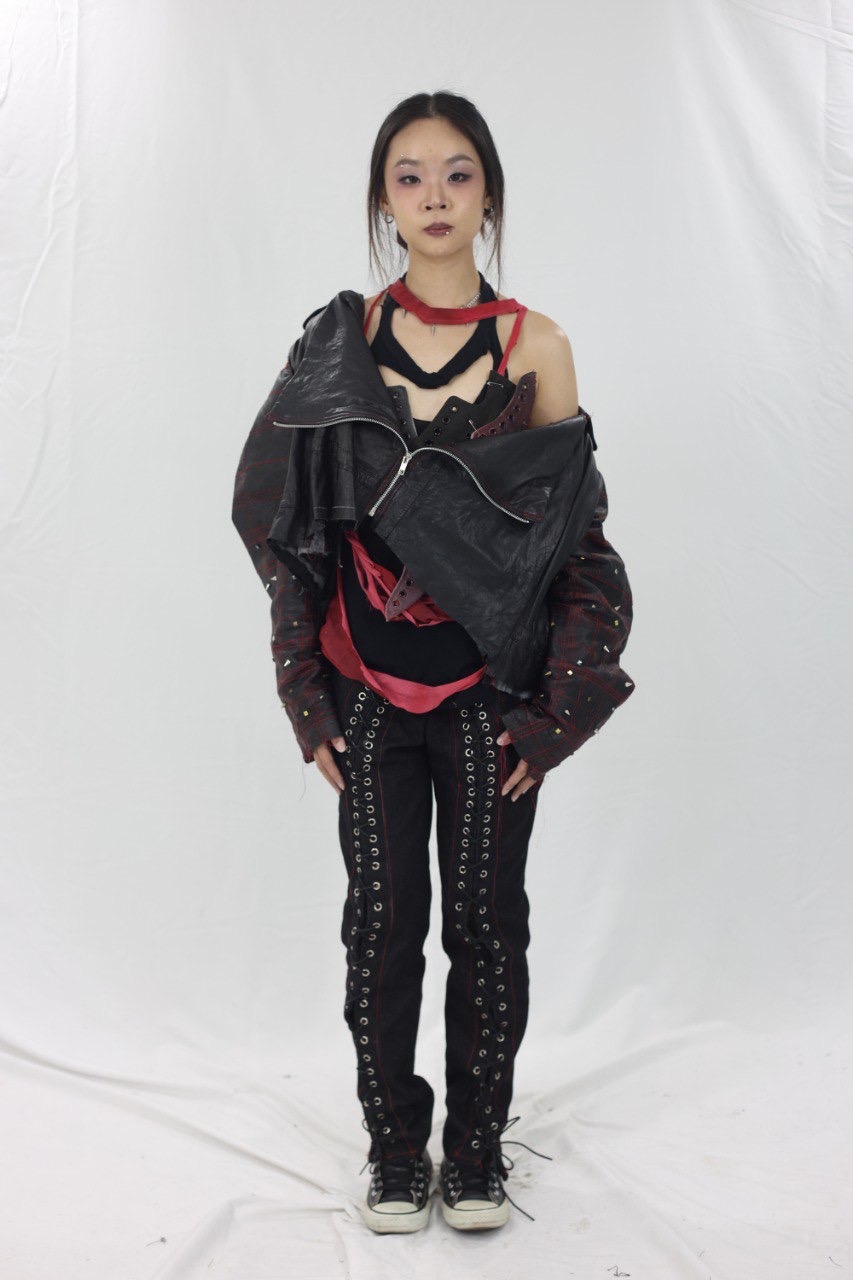
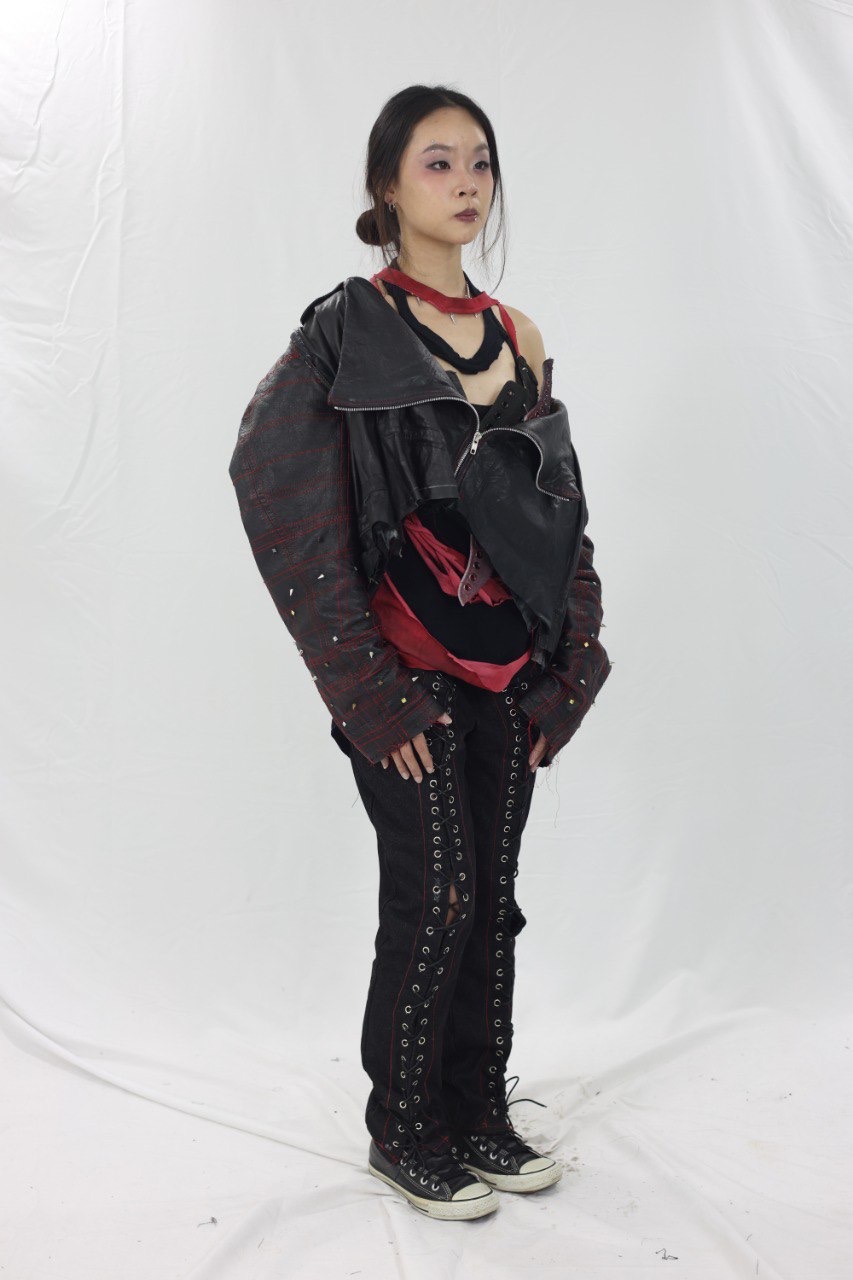
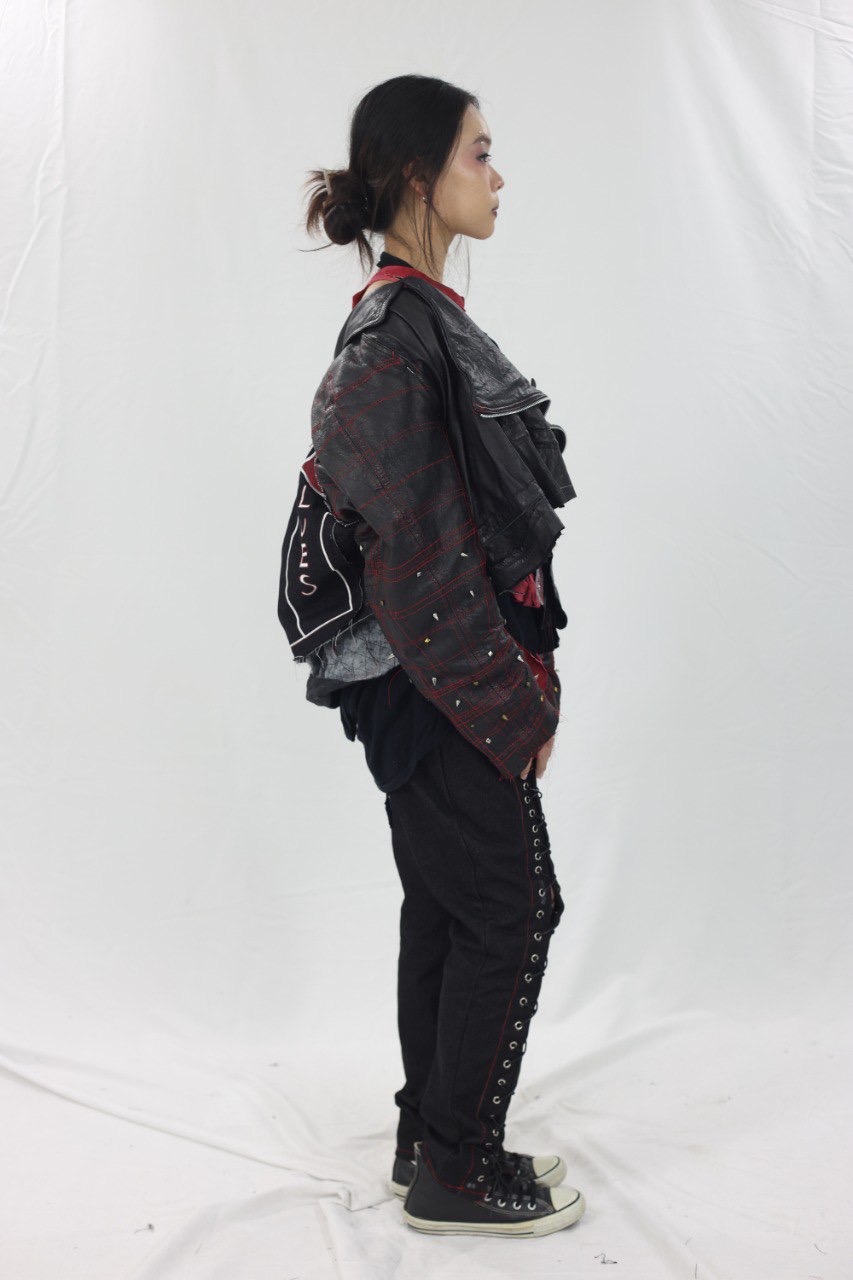
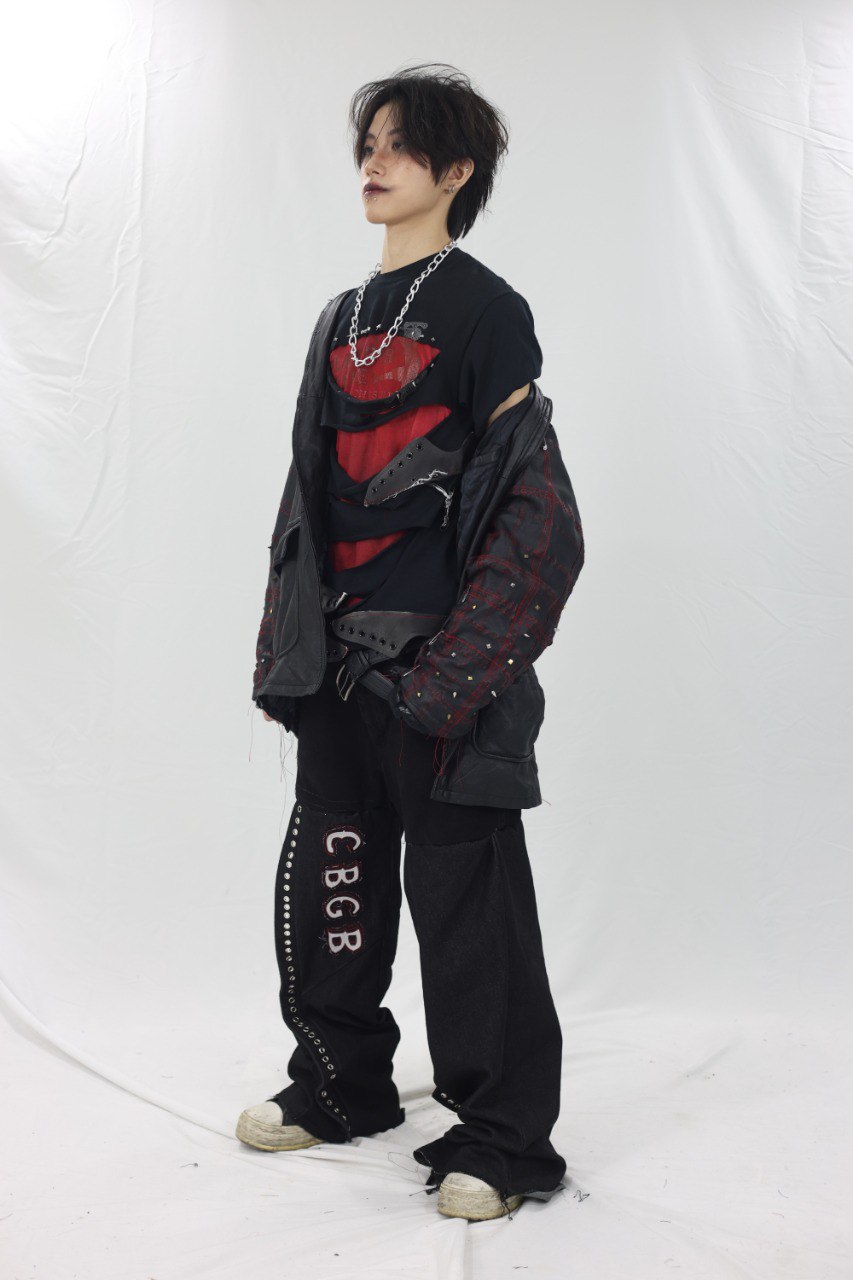
Updated Final Outcome
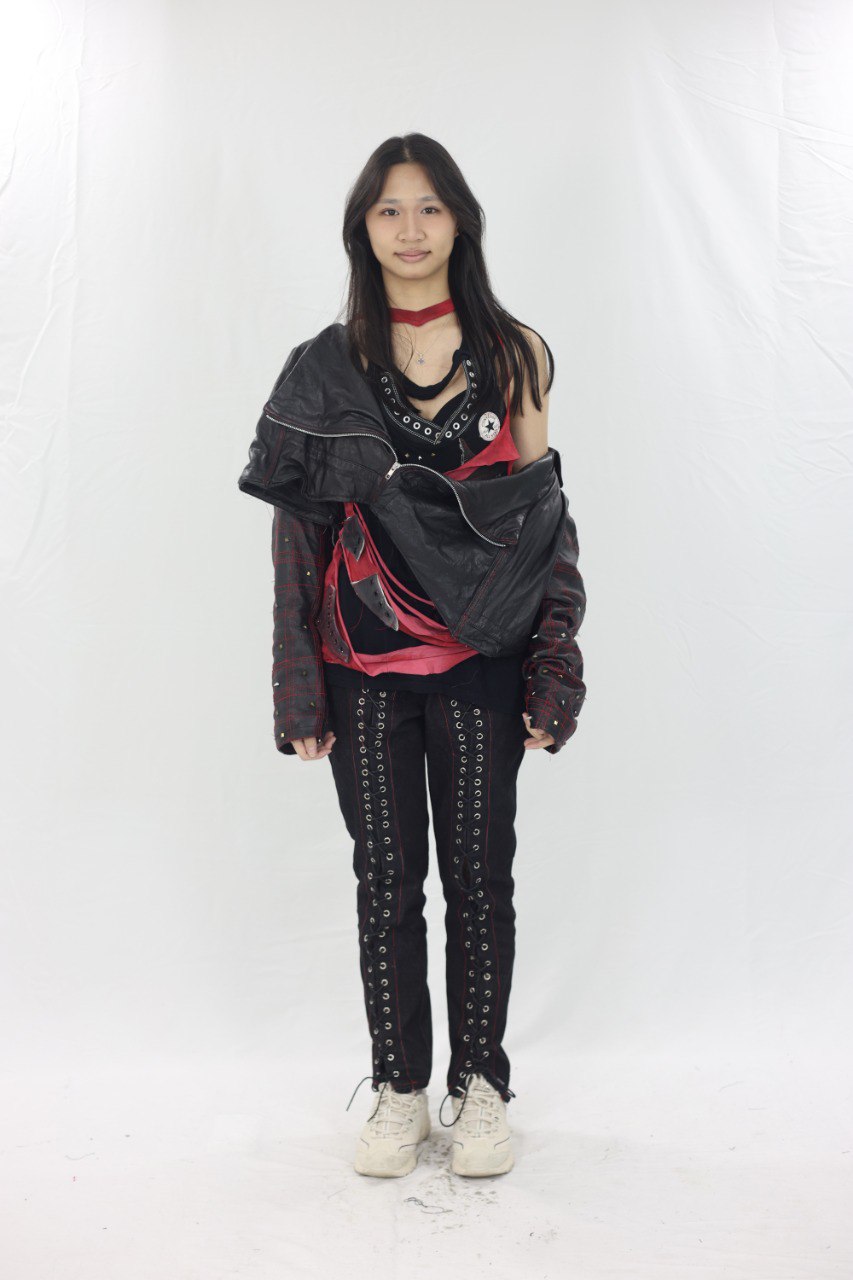
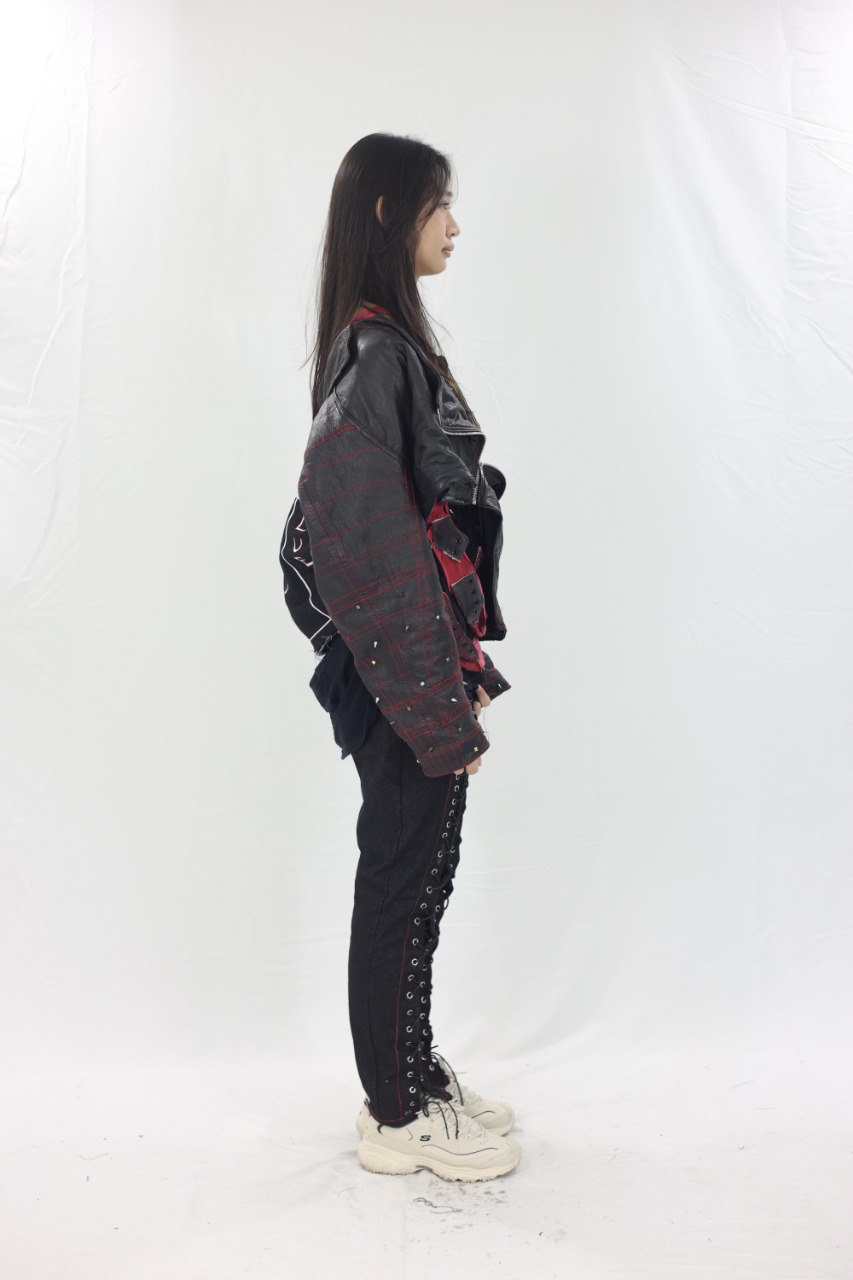
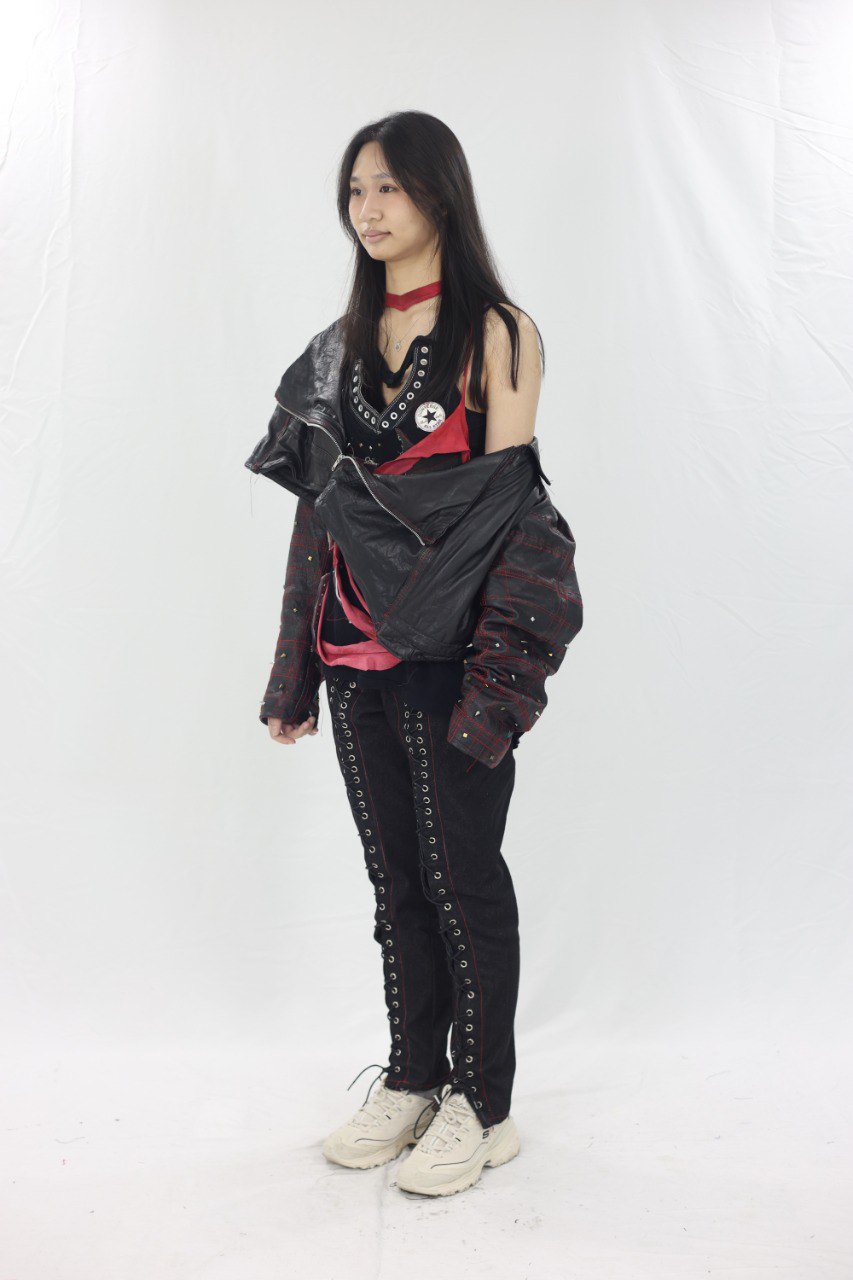
 Illustration