Task 01

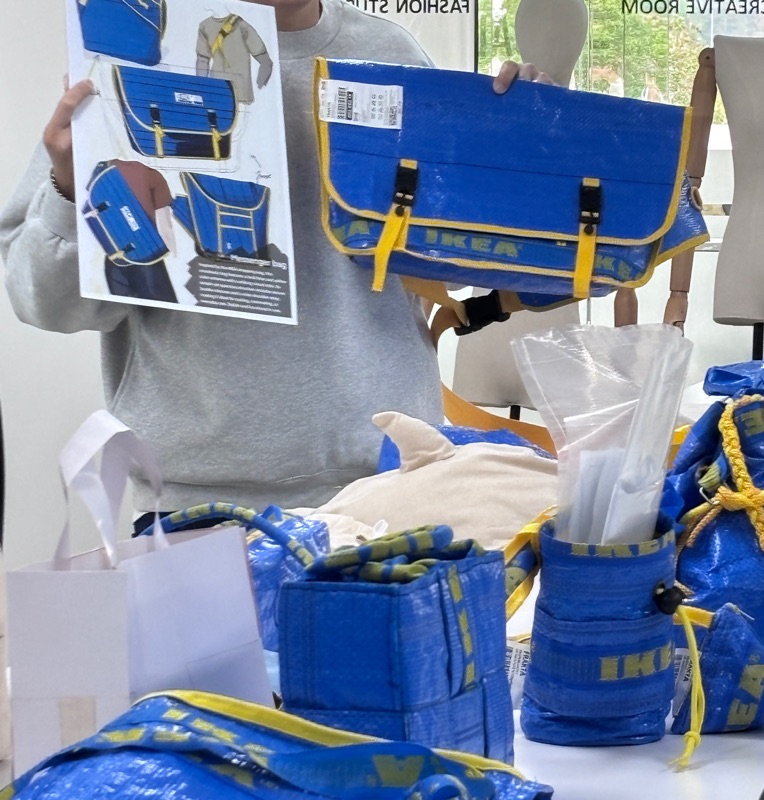
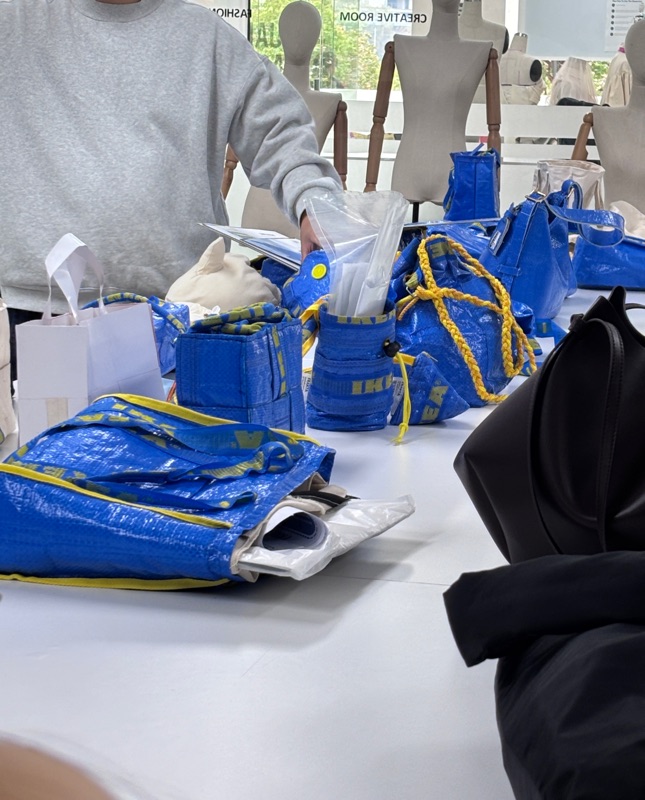
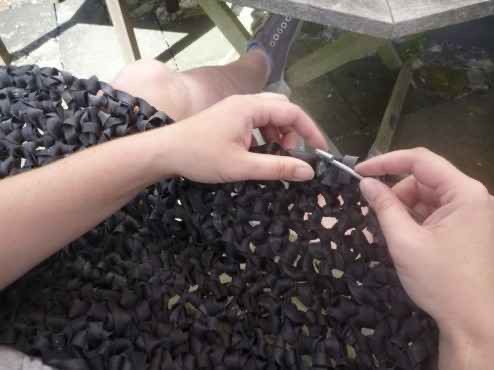
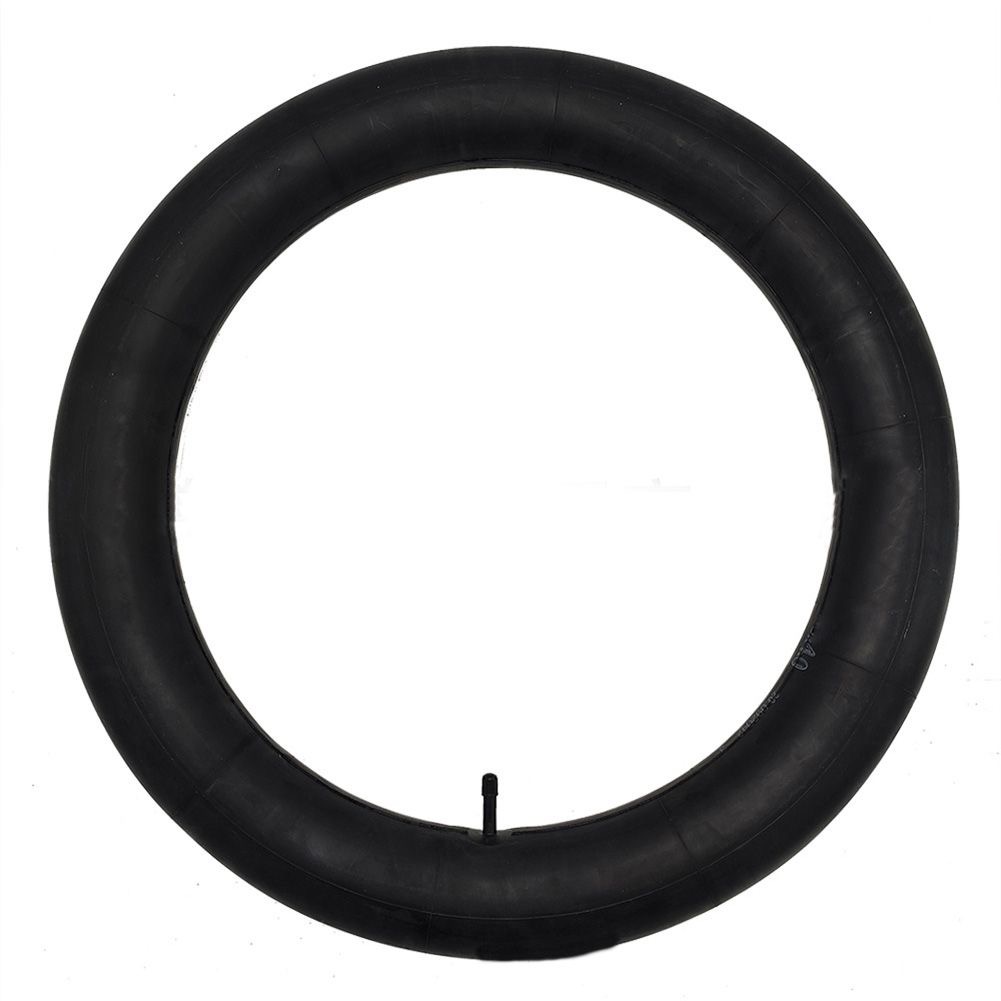
Mr. Daniel briefed us on the MIB for our first assignment, creating textile with sustainability. We were required to propose a topic and develop a sustainable textile design that would later be create into a laptop bag. We also had to prepare a proposal topic, I decided to focus on rubber because it felt meaningful and its connected to sustainability. He also introduced our final assignment, which is the IKEA Frakta Bag innovation, encouraging us to creatively reinvent it.
Week 2
This week I continued working on my proposal slides. I readjust my research on rubber waste, research on what kind of textile manipulation that im going for, and plan how to developed it into a laptop bag. My main thing to do is to make the concept clearer and it aligns with sustainable goals.
Week 3
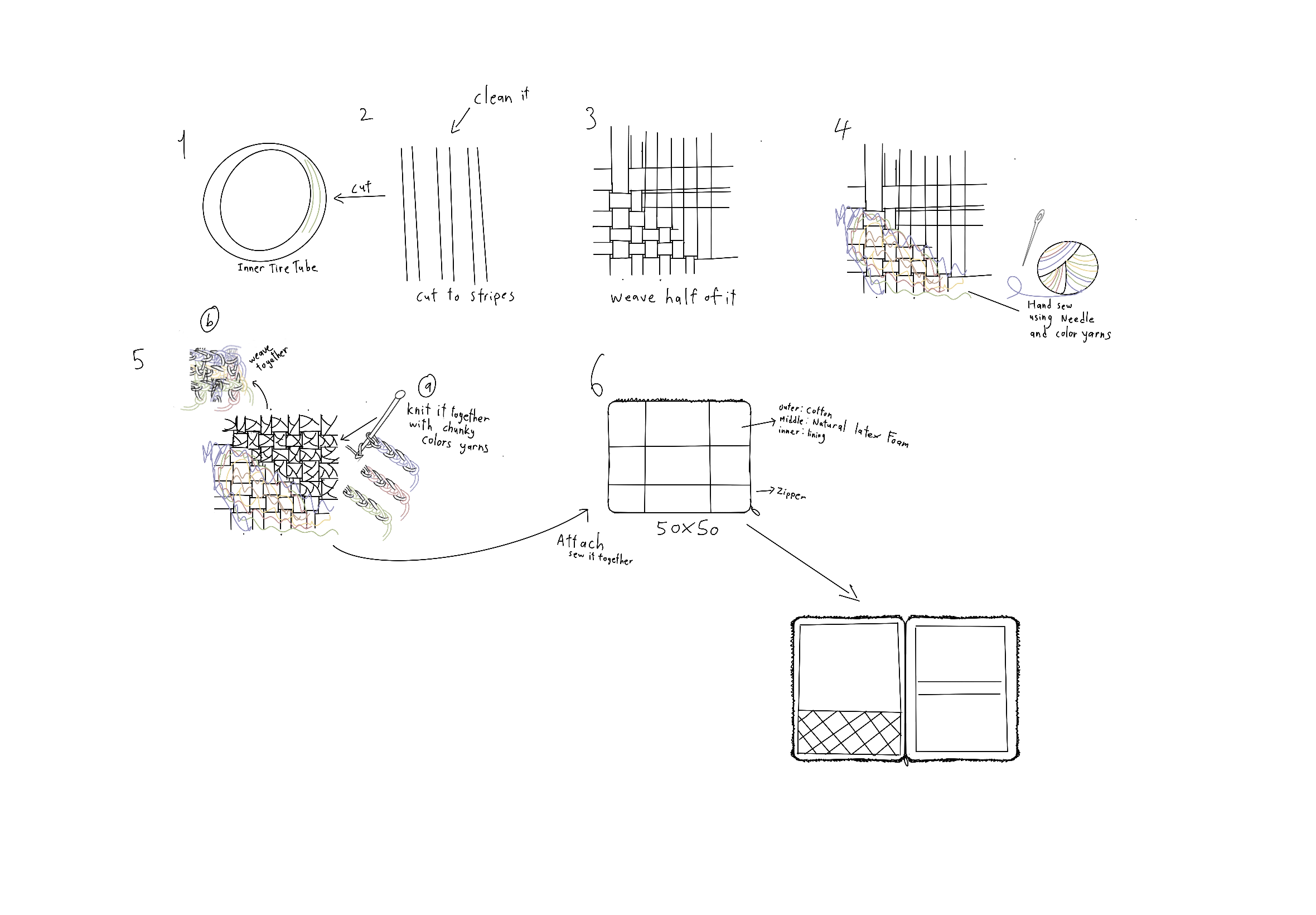
I started sketching out my design process for the laptop bag and researching materials that will fit for the laptop bag. This includes studying on rubber inner tubes, different yarns, and manipulation techniques. This week involved a lot of researching.

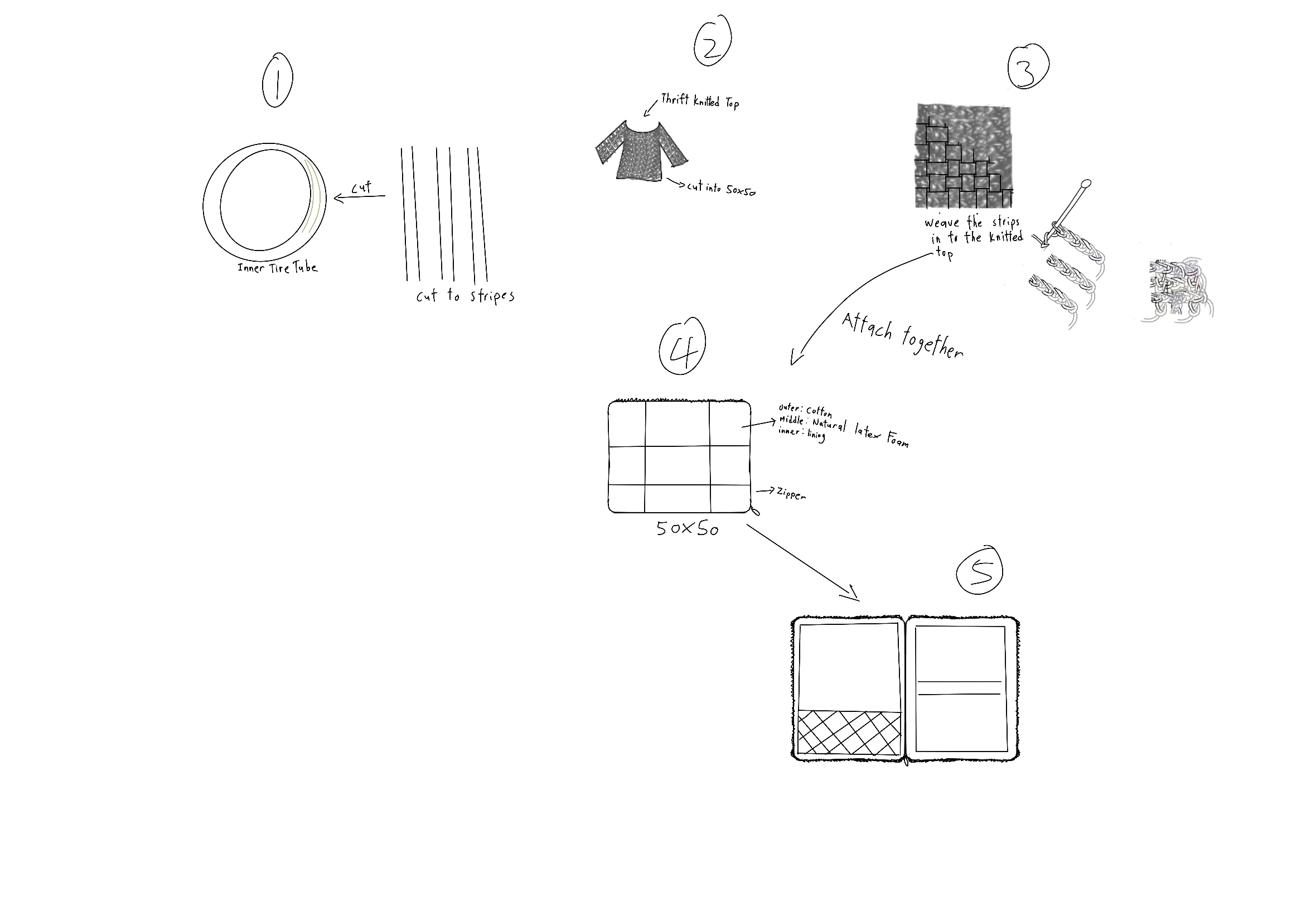

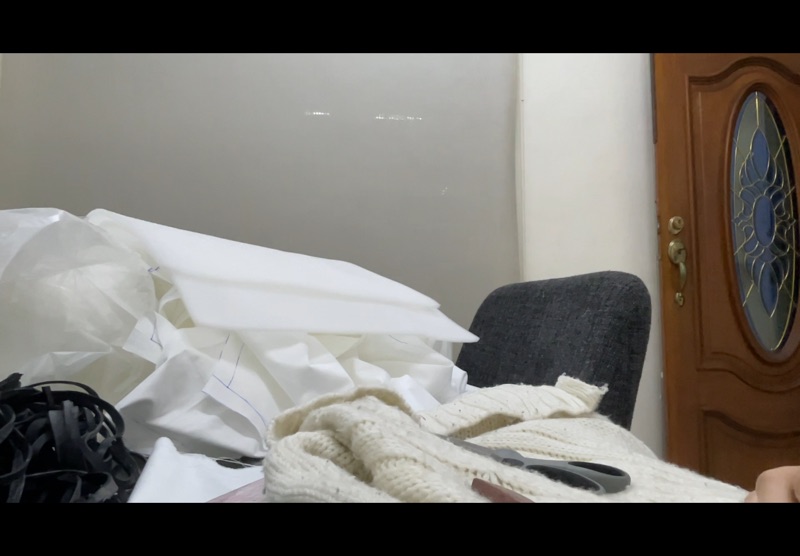
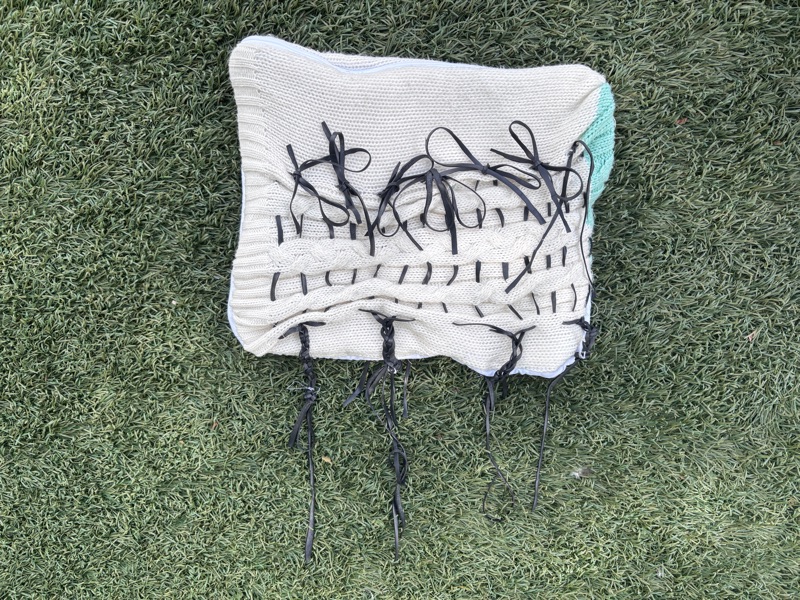

I focused on the surface manipulation, creating the ribbon lace inspired texture using woven rubber strips. Attaching everything together was another frustration, and I found myself unpicking parts multiple times again. Despite the struggle, I managed to complete it, and seeing the final piece made all the effort worth it.
Week 7
Task 02


This week, we visited the LLCM (Life Line
Clothing) factory, one of the largest textile recycling
facilities in Southeast Asia. The visit helped me understand how textile waste
is managed on a large scale and how discarded clothing can be redirected away
from landfills. LLCM collects clothing from Malaysia and neighbouring
countries, sorting items through a detailed process to maximise reuse.
We observed how unsorted clothes are collected, weighed, compressed, and then sorted from 20 main categories into up to 560 specific categories. Usable clothing is resold and exported worldwide, while damaged items are repurposed into cleaning cloths or sent to India for mechanical recycling, where they are turned into yarns and rugs. Around 55% of the collected textiles are reused. We were also introduced to Upcycle4Better, they work with companies to upcycle old uniforms into new products, such as laptop bags, shopping bags, and bucket hats, which are sold back to the companies.
Week 8

This week focused on preparation illustration proposal for the Final assignment IKEA bag
project. I purchased calico fabric to create a test-fit bag for the IKEA Frakta
bag recreation. At the same time, I started working on the LLCM report,
compiling information from our factory visit and organising it into a
structured format.
Week 9


I readjusted my LLCM report based on feedback to make it
clearer and organized. We were also required to choose a final design direction
for the IKEA bag project. Mr. Daniel chose my puffy hobo bag concept.
Week 10

This week, I worked on the proposal and illustrations for the IKEA bag. I
focused on readjusting the design details of the bag while making sure that the
concept are clear and throughout the proposal.
Week 11


I started developing the bag pattern, creating my design into technical.
This process helped me better understand the bag construction methods and how design
choices affect the final outcome of the bag.
Week 12


This week, I created the test fit for Ikea bag and showed it to Mr.
Daniel for feedback and I moved on to actual. He also assisted me with my illustrations, helping me fixing the illustration
to have better visual on it.
Week 13

After completing the test fit, I started to cutting FRAKTA bags for the final Puffa bag. However, I had a hard time
sewing the bag due to its thick, puffy structure and multiple layers, which
made the process very challenging. There were moments where the stitching was
so hard to control and requires patience. But working through these
difficulties helped improve my sewing skills and better understand how the pattern construction will affect the outcome of the bag.
Week 14


.pdf.png)
Mr. Daniel helped with the photoshoot for the final bag. The video
shooting was done by our own, focusing on lifestyle picture taking and how the
bag functions. I also continued working on my proposal and made more
adjustments to my illustrations to improve the quality.
Week 15
In the final week, I made last adjustments to the proposal and printed
illustration boards for the submission. After checking everything, I completed
the final submission for this final assignment.
Reflection
Making the Sustainable Textile Laptop Bag was my first time really thinking about how sustainability affects design. At first, I just cared about how it looked, but I soon realised that materials, durability, and functionality matter just as much. It was tricky balancing creativity with practicality, but testing and making mistakes taught me that good design has to work in real life.
The LLCM Factory visit gave me a clear look at how fashion really works. Seeing the production line showed me how efficiency, cost, and time shape design decisions. Writing the report was hard at first because there was so much to process, but organising my thoughts made me better at explaining ideas and reminded me to think practically from the start.
The IKEA Frakta Bag project was hands on and challenging. Sewing thick layers and adjusting patterns tested my patience, but test fitting and refining helped me improve the design. Finishing the bag and seeing it in the photoshoot felt so satisfying. Overall, these projects taught me patience, problem solving, and how to take a design from idea to real product.